I am writing this post on 17 March 2012, but backdating it to the first of the year, for blog organization purposes.
My column for the new year with the not so subtle title of ‘Unity or Hell: Choices for the New Year’ was published as usual in the Weekly Trust on New Year’s Eve 2011, republished in the Daily Trust on 2 January 2012 (on pages 25 and 26) and again in the Vanguard on January 12. I wrote this following the bloody events of Christmas Day 2011, which has (with hindsight) unfortunately ushered in the “year of the bomb” in Nigeria. I pray that, despite the tragedies that have occurred so far in 2012, that we can rally around to unify against those who would divide the country. To read the original, click on the photo below. To read on this blog with links to the passages, I quoted, scroll down below the photo.
The four girls killed in the bombing (Clockwise from top left, Addie Mae Collins, Cynthia Wesley, Carole Robertson and Denise McNair) (Photo credit: Wikipedia)
Nearly fifty years later, in a very different context, another bomb has gone off in a church, this one St Theresa’s Catholic Church in Madalla, Niger State, Nigeria, this time on Christmas Day 2011, a holiday celebrating joy and peace. The latest in a series of bomb attacks around the country, it killed around thirty-five people including children and a pregnant woman and wiped out whole families. Boko Haram, a terrorist entity which asserts it is fighting for Islam, claims responsibility for the bombings. But just as the Ku Klux Klan violated Christian principles of love and non-violence, so also does Boko Haram violate Islamic principles of non-violence against non-combatants. Bombing a place of worship, especially on a holy day with families of worshippers inside, is such a sacrilege that I wonder if this time, remembering the 2010 Christmas Eve bombings and this year’s attacks on Muslims during Eid-el-Fitr in Jos, we too, both Christians and Muslims, will finally say, “This is enough!”
When I first heard, on Christmas morning, of the bombs in Madalla, Jos and Yobe, I thought of my column published the day before. I had written about the December 10 football viewing centre bombings in Jos in the context of Jesus’s teachings on peace. As I tried to process the shattering news of dozens of innocent people killed after attending Christmas mass, I thought of a verse I had edited out of the conclusion of my last article to save space. It was Matthew 10: 28-31, where Jesus said to his disciples, “Do not be afraid of those who kill the body but cannot kill the soul. Rather, be afraid of the One who can destroy both soul and body in hell. Are not two sparrows sold for a penny? Yet not one of them will fall to the ground apart from the will of your Father. And even the very hairs of your head are all numbered. So don’t be afraid; you are worth more than many sparrows.”
Several thoughts on Jesus’s words about fear:
First: the body. After I mentioned Boko Haram briefly in one of my other articles, a reader wrote me, warning that it was dangerous to talk about Boko Haram—“I think it is safer to avoid even mentioning the name of these mad creatures. They are everywhere: they watch & listen.” My response was to re-tell the story of returning to Jos from New York in September 2001. “I realized that if I changed my plans [to return] either because of the attacks on New York or the crisis in Jos, I would be doing what the terrorists wanted, which is to make everyone change their lives and tiptoe around in fear. And if you do that, you are letting a minority of violent people rule your life, rather than God. I refuse to live in fear. My life is in God’s hands. If it is my time to die, it is my time to die. I will not refuse to speak out about truth or justice or peace out of fear.” The deaths of those people on Christmas morning were tragic, but while terrorists could maim their bodies, they could not touch their souls.
Second: on hell. Whoever is behind the Christmas bombings and other “Boko Haram” violence wants to tear the country apart. They want Christians to curse Muslims and the South to declare war against the North. They want to deny complexity, deny love, drag the rest of us with them to a hell of hatred and violence. They want us to ignore the teachings of Jesus, beloved of both Christians and Muslims, who said “But I tell you: Love your enemies and pray for those who persecute you.” If we fall into the trap the terrorists have set and begin to behave irrationally, hating those who had nothing to do with the terror and lashing out in violence against them, then we lose our souls and those who are trying to destroy Nigeria will succeed in their plan.
Back in 1963, Dr. Martin Luther King, Jr., who would himself be assassinated five years later, preached the funeral for the four little girl killed in the Birmingham church, saying: “my friends, they did not die in vain. God still has a way of wringing good out of evil. And history has proven over and over again that unmerited suffering is redemptive. The innocent blood of these little girls may well serve as a redemptive force that will bring new light to this dark city. The holy Scripture says, ‘A little child shall lead them.’ The death of these little children may lead our whole Southland from the low road of man’s inhumanity to man to the high road of peace and brotherhood […from] the negative extremes of a dark past into the positive extremes of a bright future.”
On this last day of 2011, as we mourn those innocents killed on Christmas morning, we can let this tragedy lead us on to a more unified voice against evil, both Christians and Muslims speaking out against terrorism and corruption, working actively together for peace against those who would divide at all costs. Or we can let our hatred lead us straight to hell. It is our choice. Happy New Year.
St. Theresa’s Church, Madalla, Niger State, following Sunday morning’s bomb blast (c) BBC
Just a quick update. I’m sorry (once again) that I am so far behind on this blog. I have several posts I have been intending to write, including one about the death of a friend, Hausa comedian Lawal Kaura, for whom I wrote a tribute in the Weekly Trust last week. I have been trying to complete several revisions of academic work and reduce the time spent online. However, with the recent bombings in Jos , Madalla (Niger State, not far from Abuja), and Yobe state, I wanted to quickly post to let all know that my family in Jos and I are fine and things are (so far) quiet in Jos.
Christmas morning, my family and our guests were preparing for our Christmas service, and discussing the horror of the bombing at St. Theresa’s Catholic church in Madalla earlier that morning, when one of our guests, who had gone outside for a few minutes, heard what sounded like a bomb blast. He didn’t say anything about it until a few minutes later when another one went off, and someone came to tell us that there had been two explosions in Jos, near Mountain of Fire and Miracles (MFM) Church near British America. It seems, with the news coming in today, that a policeman was the only casualty in Jos, but in Madalla, up to thirty-five bodies had been found by this morning.
These things–thinking about the people killed while at church on a joyous day when we celebrate the coming of peace and love into the world; and the dread of what may follow–leaves me feeling a bit shattered, as did last year’s Christmas Eve bombings. This year, on Christmas Eve, as we drove home from church, we reminisced about how last year at this time, we had been turned back by panicky policement. We could smell fire and hear gunshots. It wonder if we will ever be able to think of Christmas in the same light-hearted, happy way. It is a terrible thing that now both Muslim and Christian celebrations, sallah and Christmas have become seasons to dread. I am trying to think about how to express it in my column for this week. In the meantime I will post a few links to articles about the bombings (which, as of this morning, are still the first headlines on BBC and Al Jazeera and apparently CNN, although my parents are not currently able to pick up CNN). I will also post my column last week, in which I discussed the bombs that went off in football viewing centres a few weeks ago and how I have been thinking about Christmas the past few weeks.
May God maintain the peace and expose the evil people behind these acts. I am grateful for the many concerned friends (most of them Muslims) who sent Christmas texts, emails, and called me from as far away as Germany. Allah ya kiyaye, Ya ba mu zaman lafiya, Ya kai mu gaba. Merry Christmas.
The most extensive report I’ve seen that covers what happened in all three states is the report from Daily Trust: Suicide Bombers spoil Christmas
Also, quite a few Muslim Groups have come out to condemn the bombings, including the Sultan of Sokoto, Jama’atu Nasril Islam (JNI), Muslim Public Affairs Center (MPAC), Muslim Rights Concern (MURIC), Izalat Bida’a Waikamtul Sunnah (JIBWIS), Muslim Congress, and the Malta Ahmadiyya group, which has called the attacks as “inhuman.” This Day has a good compilation in its article “Muslim Leaders Condemn Christmas Day Bombings”:
Secretary General of JNI, Dr. Khalid Abubakar Aliyu, while reacting to the bombings in a telephone interview with THISDAY, said Islam, as a religion, respects human lives and would do everything to preserve it.
“Human lives must be preserved and protected by all including security agencies; it is rather unfortunate that Nigerians are losing their lives to bomb blasts,” Aliyu said.
The Islamic body also tasked security agencies to fish out the perpetrators and bring them to justice, stressing that it is only when the culprits are fished out and punitive measures taken against them that it would serve as deterrent to others planning to carry out such nefarious activities.
In his reaction, the Sultan of Sokoto, Alhaji Sa’ad Abubakar III, who joined other Muslims in voicing condemnation against Boko Haram, said taking of human lives in the name of religion was strange in Islam.
The sultan, at the formal opening of Islamic Vacation Course (IVC) organised by Muslim Students’ Society of Nigeria (MSSN), B-Zone, said dispute could only be resolved through dialogue and not by violence or bloodbath.
He said Islam abhorred violence and called for unity among Muslims to address the challenges facing them.
“Violence is not part of the tenets of Islam and would never be allowed to tarnish the image of the religion,” the sultan said.
Chastising Boko Haram, another Islamic group, Muslim Public Affairs Centre (MPAC), said “cold blooded murder of innocent worshippers” was “horrifying and sickening”.
In a statement by its Director of Media and Communications, Disu Kamor, MPAC described the perpetrators of the dastardly act as “criminal and devilish hate cultists bent on imposing their evil ideology on us”.
“On this occasion and in similar incidents, Nigerian Muslims and Muslims everywhere stand shoulder-to-shoulder with our Christian brothers and sisters and we are determined to continue to work together to remove the mischief of those seeking to destroy peaceful co-existence and harmony. We feel the sorrow and share the grief of all that were affected by this tragedy – this evil attack is a crime committed against mankind,” MPAC added.
Also, the Muslim Rights Concern (MURIC) said it is “shocked and petrified by this development”.
MURIC in a statement by Dr. Ishaq Akintola disagreed with Boko Haram, which had said it carried out the attack to avenge the killing of Muslims during the last Sallah.
He said: “The attackers cannot claim that they were revenging the attack on Muslims in Jos during the last Eid el-Fitr on August 30, 2011 which left many Muslims dead because Christians celebrating Christmas earlier on December 25, 2010 were the first to be killed in bomb explosions.
“Nothing in the scriptures of Islam justifies this kind of attack. We therefore assert clearly, unequivocally and unambiguously that Boko Haram is not fighting for Nigerian Muslims.”
Similarly, the Chairman of the Sokoto State chapter of Izalat Bida’a Waikamtul Sunnah (JIBWIS), Sheikh Abubakar Usman Mabera, said the killing of innocent citizens, under any guise, is a case of murder and in contrast to Islamic teachings.
“Whoever takes the life of a fellow human being has committed evil irrespective of his religion – whether Christian or Muslim – and will pay for his sins. So, this is an act of terrorism which is against Islamic teachings,” he said.
Mabera, who frowned on the act, said: “Almighty Allah forbids the killing of a fellow human being. Whoever thinks that he is carrying out Jihad by destroying places of worship and killing innocent citizens is ignorant of Islam because the religion forbids that.”
The Muslim Congress frowned on the Madalla blast and said the continued killing of innocent Nigerians by the activities of Boko Haram is uncalled for and should be condemned by all Nigerians.
The Amir of the Congress, Mallam Abdulraheem Lukman, said in a statement that: “The endemic killings can best be described as inhuman, wicked, condemnable and totally unacceptable in civilised societies.
“The action is even more repulsive during the periods of celebrations and this is highly condemnable.”
Sheik Muhammad Isa described the attack as “unfortunate and heartless,” adding that that no worshipper should be attacked at a place of worship especially on holy days.
He said the attackers were not adherents of any faith as no true believer could cause such harm to innocent people.
Sheikh Usman Saif, another cleric, said God would not spare the bombers “for using a religious period to shed blood and upset people.”
“How can a person or a group of people, who believe in God, hunt people at such a period when people were praying to their God?”
He urged the government to tighten security to stop fanatical religious sects or groups from unleashing terror on people, especially on special occasions.
A female scholar, Ummah Abdul, also condemned the attack, and urged Nigerians to be their brother’s keeper in order to achieve lasting peace and stability in the country. (NAN)
renowned Islamic scholar and leader of the Dariqa sect, Sheikh Dahiru Bauchi, expressed dismay over the bombing of religious places.
“Even at war front, leaders of the warring religions normally canvass for peace through dialogue but not through killings of innocent souls or burning of places of worship or properties,” he said.
Sheikh Dahiru said even when two sides engage in a religious war, women and children as well as people taking shelter in churches are untouchable as enshrined in Islam.
He blamed lack of punishment for culprits, lack of good leadership and injustice by leaders as being responsible for the rising spate of bombings in the country.
Sheikh Dahiru urged Nigerians to pray for the salvation of the country, and for peace and stability to reign.
Other senior Islamic scholars who spoke yesterday on the Christmas Day bombings are Sheikh Muhammad Isa, Sheikh Usman Saif and Ummah Abdul. They said the attacks were unjustifiable and condemnable.]]]
And here is my column published, on Christmas Eve before the church bombings, in the Weekly Trust:
Written by Carmen McCain Saturday, 24 December 2011 05:00
December 10, I was in Jos, and I heard the bombs go off. Deep echoing booms that you could feel in your body. The feeling was like a ripple in water, expanding out in an ever-widening circle. “That sounds like a bomb,” I thought, when I heard it. I did nothing, waited for the news to ripple out to me—what had happened, where, and how many had died.
Two mornings later, I had the bombs in my mind as I made breakfast. I thought of the young men who had been doing nothing more controversial than cheering on a Spanish football match when they had their legs and arms blown off. As people around the world cheered and moaned goals for the Barcelona-Real Madrid game, there was the sound of weeping in Jos.
Outside the kitchen window, I noticed that the tap was running. City water had come. I moved to go outside into the cold to turn the tap off, when I noticed all the birds that had gathered around the tap—little yellow finches fluttering their wings in the puddle the running water had made. They didn’t seem to be bothered by the cold. They flew back and forth, settling on a tree limb and then coming back to bathe. One bird sat on top of the tap, ducking her head down to delicately drink from the flow, flicking her head up and down till she was full.
I thought then of how Christmas is the time Christians celebrate the beauty of small things in a torn up world. Morning sunlight and little birds, a gift of water flowing through a tap to the dry grass. The wonder of a newborn child laid in feeding trough, where donkeys and sheep and goats and cows press around, giving him warmth in the dark silence of the night before the sky explodes with angels’ voices.
Yet the hope and pageantry of Christmas is also mixed up with the horrors of human evil, if you read the story in context. Young Mary, pregnant out of wedlock, and her fiancé Joseph braved the prejudices of a finger-pointing community, the cold inhospitality of a village full of strangers where there was no room in the inn for them to stay. And though later the scholars from the East brought expensive gifts with them after following the star to the young family’s humble house, they also inadvertently brought crisis to Bethlehem when they told King Herod the prophecy of the king to be born there. Mary and Joseph, warned in a dream to escape to Egypt, fled town with the child, only hours before thugs, acting on the orders of a jealous ruler, slaughtered all the baby boys under the age of two in the town.
Where is the sense in such innocent death? There is none. There was no more sense in the slaughter of children in Bethlehem than there had been in the slaughter of young boys in Egypt centuries before, no more sense than there was in the attacks on the village of Kuru Karama in January last year when Muslim families were massacred and thrown into wells, or Dogo Nahawa in March where Christian families were slaughtered under a starry sky, in Damaturu or Maiduguri where churches and mosques alike have been destroyed or in Jos where young boys watching football were blown up in the night. In times of such horrific events, the sun, the stars, the birds, the water on dry grass too can seem to have no meaning. They do not understand, these nonhuman things, how much we suffer.
And yet, the message of Christmas is that the small will transcend the big, that good will grow slowly until it chokes out evil. The baby who survives the massacre will grow up to be the man who brings life to a people. Christians believe that just as Moses survived the slaughter of Jewish babies in Egypt to take Israel to freedom and give them the law, Jesus survived the slaughter of Jewish babies in Bethlehem to show the world the freedom of love behind the law. “Which is the greatest commandment?” Jesus was once asked, “Love the Lord your God with all your heart and with all your soul and with all your mind,” he answered. “And the second is like it: ‘Love your neighbor as yourself.’ All the Law and the Prophets hang on these two commandments.” He demonstrated that love for neighbor not only to his own people, but also to those outcasts and strangers the righteous were taught to shun: corrupt tax collectors and prostitutes, a Roman military commander, an adulteress from the hated Samaritan tribe.
Though Jesus survived the slaughter of his childhood, the great teacher of love and forgiveness was eventually caught in the human cycle of hate and violence. The masses, misled by hypocritical religious leaders, who cared more about their own reputation and security than recognizing the truth of God before them, joined their religious leaders in calling on politicians to execute the man they had called King only a week before.
This is an example, some may say, of why it is better to demonstrate power than humility—of why turning the other cheek when someone hits you does not work, of how hate, ultimately, is more powerful than love, of why it is better to take up your sword and cut off the ear of your enemy as Jesus’ disciple Peter did, than to heal him as Jesus did. “Better to fight, better to kill them before they kill you,” says the man who has lost hope. And yet Jesus’ life could not be contained in death. It echoes out in ever expanding ripples of light.
It is in watching the small things, he taught, that we can learn hope: “Look at the birds of the air; they do not sow or reap or store away in barns, and yet your heavenly Father feeds them. Are you not much more valuable than they? Who of you by worrying can add a single hour to his life?” asked Jesus. “But seek first his kingdom and his righteousness, and all these things will be given to you as well. Therefore do not worry about tomorrow, for tomorrow will worry about itself. Each day has enough trouble of its own.”
So much of our conflict is based on words, on names, cultural differences—on varying interpretations of the law. We would rather judge that which we do not understand than pay attention to the lessons Jesus demonstrated: to live justly, to love mercy, to walk humbly with our God. Yet, if all of us who claim to follow God could put aside theological differences long enough to follow what Jesus taught—to love God and love our neighbors as ourselves, to turn the other cheek, to give our extra cloak to one in need, to be at peace even in times of conflict —then instead of listening in terror for bombs in the night, we could look fearlessly up into the starry sky and sing along to the chorus that still echoes throughout the universe: “Glory to God in the highest, and on earth peace, good will toward men.”
On 12 November 2011, Weekly Trust published as a feature my email interview with Julius. Because of word limits for publication, we had to edit down a few of his responses, but because I don’t have word limits on my blog, I will include a slightly fuller (though still edited down) version of the interview here. After the interview, you can read my review of Amedume’s four short films made while in film school: “Mary and John” (2009), “Lorraine” (2009), “Mr. Graham” (2010), and “The Precipice” (2010). I have also included the short films within this post, but if you are on a slow internet connection (as I am), please wait for the entire video to download before attempting to watch it, as the jumpy start and stop of the download process will destroy your enjoyment of the film.
First, if you want to get a taste of Amedume’s work, watch his 2010 showreel here:
Second, the interview. If you want to read it as published by the Weekly Trust, click on this link or on the photos of the hard copy below. If you want to read the slightly longer version, which includes descriptions of his short films, read on below:
My parents originated from Ghana but I was born in London, England and grew up Balham, south west London. I am the youngest of four children. Even though we were all raised in England, my parents being first generation Africans, always made it a priority to install western values as well as a strong sense of African values. This has been fundamental to making me into who I am today.
Tell me about your journey to become a filmmaker.
I first became engrossed in films when I was around four or five. I didn’t start school until I was seven because of health problems. My mum would work days and my dad would work nights. My dad would come home from work and teach me maths and English until he fell asleep at about 11am. I would be left in front of the TV watching westerns, musicals, war films, black and white movies and film noirs until my mum or my siblings came home in the evening..
My parents, especially my dad, kept abreast of technology and we were lucky to have a Betamax, VHS and even a Laserdisc player. I used to watch anything that came out, from art house movies to B movies. Throughout childhood and my early teens I would watch a film almost every day.
On leaving school at the age of 16, I enrolled into Saint Francis of Xavier College in Clapham and made my first short film as part of a media studies course. I ended up writing, producing, editing and directing it. I was originally working with a group of people, but as the amount of work involved dawned on them, they slowly dropped out, leaving me to finish the film.
The film was about the controversial subject of safe sex: three couples who meet in club and what happens later that evening when they have sex, either with a condom or without. The film then jumps to a year later. One of the couple is still together in a settled, stable relationship. The second couple has broken up and the male has a multitude of baby mothers. The last couple has also broken up, but the man learns he has caught AIDS. There was a big AIDS epidemic at the time scaring the nation and as I started to understand the facts, it made me start to think of different scenarios which people could or might find themselves in within the community. This is what gave me the idea for the film.
This was my first attempt at a making a short film, it also set up the tone and types of films I would be compelled to make along my career path. Looking at the film now, it’s still entertaining , it still has narrative, but the production values make it seem like a low budget mess.
I played around for a year with a camera on a Youth Training Scheme which taught me the basics of different areas along the production route. I went on to do A-level media studies which gave me another opportunity to mess around with video. I still didn’t know what I wanted to do in film. I just knew I wanted to be around it.
When I hit 19, I needed enough money to go to university, so I took a year out which turned into three. I worked in two sports shops and then spent two years as assistant manager in a shop called PROHIBITIO. We sold high end designer clothes to celebrities and other characters who walked through the door. There were two things that helped me most on my journey to film when I worked there. The first was when American actor Jack Nicolson walked by and I enticed him into the shop. He came in and hung around for fifteen minutes whilst waiting for a lady friend. I was at a transitional stage when I really wanted to study film but my parents wanted me to follow a different path. Jack told me because he loved acting, it didn’t seem like work and he could put in as many hours as god sends. He told me you shouldn’t do any job that seems like work because it’s not making you happy. If you do a job that makes you happy then it doesn’t seem like work. Those words were what I was looking for.
The second thing was the experience dealing with the different types of customers. Because I constantly interacted with people and had only seconds to try to sell them something, I found the tips, tricks and senses gained later helped me in my career when I approached actors, tried to understand them, and bring out the best of their talent.
When I went to university, I did an intensive BSC Hons degree in Communication and Technology at a broadcasting university called Ravensbourne College of Design and Communication. Their Film/TV module was a calculated plus, but the other courses taught me things which I would later utilize, like webpage design, DVD authoring, marketing, psychology, electronics, engineering, broadcasting, satellite distribution signals, etc. It also gave me a safety net. If film failed, I could get a job as engineer, which gave my parents peace of mind.
Upon graduating I immediately went back to doing what I love. By now I had worked out that I really wanted to direct. It incorporated all the other disciplines whilst overseeing the overall project. I got an unpaid runners position at a commercials company. I had been advised this was the easiest way to work your way up to being a director. I started on a Monday and the company went bankrupt on a Friday. I was back to square one but I read it as a sign. Never being someone to wait around, I threw caution to the wind and remembered ‘WE CREATE OUR OWN DESTINIES AND CALL IT FATE’. I decided to open up a production company. The birth of AMEDUME FILMS came in 2002, though a production company had been in my mind since 1999. I didn’t really have any money, but I also knew I had good contacts and good line of credit from working full time. I used this line of credit to gap fund projects whilst I sought investors.
Through my production company, I made three short films, THE MEETING, THE PHONE CALL and THE VIDEOTAPE. The Meeting, about an intimate conversation between a baker and teacher as they wait for a train, won a best actor and a cinematography award at the Kent Film Festival in 2002. The Phone Call explores the repercussions when a young man receives a phone call from an old school friend asking for a favor. It was nominated for five awards at the 5th BFM international film festival 2002 and won the Best Screenplay award. It was also nominated for the best short film award at the Pan African Film Festival in Los Angeles. As well as taking it to schools and prisons it also screened on various Satellite television channels and MTV Base. The Videotape was my first fully corporate funded short film.
The Meeting trailer
The Phone Call trailer
The Video Tape trailer
Tell me about your feature film A Goat’s Tail. How was making a feature film different from making shorts? Were there any major challenges in shooting a film across two continents?
Making a leap from shorts to feature films is a different kettle of fish. The pressures of the production can be catastrophic, especially if you intend to make a film, shot in two continents, on a micro budget.
I had gone to Ghana for three months with my parents so I could chill out and write a script. When I arrived I suffered from writers block. Nothing managed to make it onto the page. To take my mind off the block, I started to relax and enjoy Ghana. Taking taxis everywhere, my face, body language and attire signaled to the taxi drivers that I was a foreigner. The majority of them tried to exploit me, by trying to double or sometimes triple the fares, but I showed them I wasn’t a “Johnny just come.” Taxi drivers are like your local newspapers, they know everything and have strong views. In our many conversations, they told me they would love to travel to England. The shared consensus was that that coming from there you must be rich. I tried to tell the cab drivers that compared to cost of living, prices were more or less the same. Living in Ghana actually has more benefits like constant sunshine and fresh food. My information fell on deaf ears, but this turned out to be the key that I was looking for to unlock my writer block. The idea for A Goat’s Tailwas born. I spent the rest of my time in Ghana writing out a treatment. The film was about Kojo, a Ghanian taxi driver, who is hired by a beautiful young British actress, Cynthia, to show her around for the day. The day ends with a sexual encounter and a reluctant promise from Cynthia to invite Kojo to England. Arriving on Cynthia’s doorstep four months later, Kojo soon realizes that the grass might not be greener in England and people are not what they seem.
I wrote the script when I arrived back in London. I gave myself a time limit of two years to make this film. My business plan was based on a lot of high calculated risks. In my passion to make the film, I knew nothing could go wrong, but it did, in more ways than one. First, I never managed to raise all the money I needed, and I decided to gap finance the film on about 10 credit cards, which I had amassed with 0% interest over a year from my good credit. This failed me by the end of the film, leaving me vastly over budget and with huge debts. I also decided that renting equipment would be too expensive so I decided to buy all my own equipment from ebay and then sell it after the shoot, so I could reinvest the money into the post production schedule. When the shoot got delayed, the depreciating costs of the equipment came back to haunt me. I decided to cast a Ghanaian non-professional actor for the lead role. He had never left Ghana before—talk about life mimicking art! Having flown to Ghana with my crew and equipment to shoot the first part of the film, I had scheduled to return back to England with the actor to shoot the last part, but his visa was denied, not once, not twice, but three times. I fought to exercise his right to come to England especially since all the required paper work was in order. I even had a letter from the Ghana High Commission endorsing the film. I took the decision to an appeals court and got the case transferred to London. This delayed my film for just over a year but I did feel victorious when I defended myself in the UK case hearing and won.
I am only really touching the surface of the problems I faced and experienced making that film. It’s true when they say everything that could go wrong will go wrong. Physically, it was the hardest film I have made to date. I spent over three years of my life on it. In the darkest hours of wanting to quit, I realized how much I wanted my career and what I was prepared to do to make it happen. Making this film, I would say, was my film school and I grew more confident and learned how to tell stories better. I also understood the different types of problems I could face in the future on any given production. Having shot, written, produced and directed the film, it confirmed to me I wanted to be writer-director but also gave me a understanding of the other disciplines. The film went on to be nominated for six awards, and it won best feature at the Pan African film festival.
A Goat’s Tail clip
Tell me about your Masters in Directing Fiction at the National Film and TV School. What were the benefits to going back to school when you were already making films and had a production company?
I was accepted into a scheme called Compass Point, with the National Film School and B3 media. Paul Moody, the organizer of the course, and Nik Powell, a visiting guest speaker, both encouraged me to apply to the film school. I had tried before and was unsuccessful, so I wasn’t sure if that’s what I wanted to do. I had some successes independently and had set up a production company which I had been running for 5 years. But one day I sat back and asked myself –if being a director is something I wanted to do for the rest of my life, if I was to apply and got in, wouldn’t it be like taking two steps back to go three steps forward? With that attitude I applied and beat 450 other applicants to one of the eight places available on the Directing Fiction masters program. I had never been to film school before. I had done a few technical courses in and around film, but instantly I knew this was it. The National Film and Television School is the best film school in Europe. I felt I had been touched by an angel to have the opportunity to go there. I was still financially hindered from A Goat’s Tail and wasn’t sure how I was going to pay the fees. But I was blessed and received a full scholarship from Toledo Productions.
Just being in an environment surrounded by like-minded individuals who share your passion and knowledge for film was enough. But to be lectured and have master classes by some of the greats like Stephen Frears, Pawel Pawlikowski, Roger Michell, Ken Loach, Udayan Prasad, Danny Boyle and Mike Leigh, I felt like a child in a sweet shop. What I also found confidence building was realizing that some of what I was learning from these directors I already knew and had picked up through making my films. Understanding why I did something instinctively made me stronger in assessing my own strengths and weaknesses and more precise at what I wanted from the course.
The films I made during my course of study each had specific learning objectives. With Mary and John, I wanted the experience of working with old people. With Lorraine, how do I direct up to seven people at the same time and within limited time create believable group dynamics? With Mr Graham, how do I tell a story honestly when the subject matter is something I feel strongly against, and how do I make the audience care about and understand someone who society tells us not to. In Precipice, how do I make a genre piece on a micro-budget, without having the audience dismiss it if it doesn’t live up to the higher budget aesthetics they are used to? If A Goat’s Tailwas my film school, then the National Film School was the polishing and prepping I needed for a life long career. The film school really did change me as a person and as a director.
Tell me more about your film Precipice, which won this year’s AMAA award for best short film from the Diaspora.
Precipice had been with me for a while. I grew up watching film noirs and thrillers, and in terms of subject matter, I was first inspired by the case about the scandals surrounding the American company ENRON in 2001/2002 , and the American stockbroker Bernie Madoff . But ultimately with the lack of ethnic action heroes on screen, I wanted to create a character that would fill that void whilst being able to tell an entertaining commercial, universal story. My ideas were originally a lot bigger than the short film could handle, but I took one or two strands and streamlined it into a short film. Working with the actor Jimmy Jean-Louis was the essential key to the short film. He is the person I always envisaged and was best suited to fill this void in mainstream cinema.
What was it like winning the AMAA? How far have your plans gone for remaking Precipice into a a full-length feature?
Julius Amedume with his AMAA award for Best Diaspora Short film (photo credit courtesy of Julius Amedume)
Winning the AMMA award was extremely invigorating and truly amazing. It’s something I will remember forever and tell my children about. I honestly never expected to win anything that night and I was just thankful I was nominated. I have a saying that “As a director my job is to serve, to serve the audience.” I believe as along as my audience are engaged, inspired, educated, challenged, entertained and happy with my work, my job is done. Audiences keep you going, Nominations are a great pat on the back, and winning awards is a surreal added bonus. I did enjoy winning. I was grinning from ear to ear. It felt great to be embraced by Africa. The film also won the Pan African Film Festival Board of Directors award.
I have developed the ideas around Precipice into the feature length script. Some of the script takes place in Africa. Roman’s character has been developed to give insight into how he became who he is and where he is going. The ideas, the scenarios, the characters’ motivation, wants and needs can stretch into a franchise of three films. I want Jimmy Jean-Louis to stay as the lead, and a there are parts for a number of integral supporting characters from the different international territories the film is based in. The script has all the original entertaining set pieces an action thriller should have, but it also has a strong emotional core and social message which, like all my work, will create topics for debate. I have had a lot of interest in the project, pitched as a Black Jason Bourne. We know this film is going to profitable, but Jimmy and I want to make the film the way we want to make it and with the right people. So building the right team and attracting the right investors is key.
What is your creative process like?
When I was growing up my mother used to tell me to be seen and not heard. That stuck with me and I got used to sitting back and just watching people, watching the world, whilst trying to interpret and understand it. I have a very selective memory, and I tend to only remember stuff that I feel is important to me. For example, I might meet you and instantly forget your name, but if you make an impression, I will remember when we met, what we spoke about, and even what you were wearing. Instead of your name, I remember your spirit or your energy. If a story, a person or a situation stays with me, I think about it to the point I become obsessive and need to understand every angle of it, every side. Once I understand, then I can let go. My brain goes through this process with every film I make. But mostly, I have to find something challenging, mentally or physically, or I won’t do it. I have written and directed most of my films. I am a slow writer and always write at night. But I feel I am more of a director than a writer. Ultimately I would love to direct something I have written every five to six years and direct other people’s work in between. At the moment I am working with a handful of different writers on different projects and reading scripts my agents send through.
What is your philosophy of directing actors? How do you get such profound performances?
I put actors through a process. They might not even know it at the time, but I build them up in layers. I do a lot of research and make it available to them so they can see where my mind is. I am quite a deep thinker and it comes across in my conservations with them, which ultimately reflects in their acting. Acting is about what you think. Everything else is secondary to me. When I do casting sessions I actually hate when actors come with monologues. Most of the time in castings, I never even make them act or read. I just have a nice chat with them and then make my decision. I have worked with professional and non professional actors, and I always find the right person for the right role.
What are your thoughts on Nollywood and Ghallywood and the popular African film industries?
The Nollywood and Ghallywood market is saturated. There are too many films that have flooded the market making these African movies lack high production values, because producers want to make quick money on as small financial outlay as possible. But now the film industry has reached a stage where films with better quality acting, better storylines and higher production values will rise from the rest and will open the doors for bigger investment in movies and the industry so they can compete on an international level. The African market is the second largest film producing market in the world after Bollywood. It has taken a while but they are getting there. My only experience of working in the African film industry was when I shot A Goat’s Tail. I am interested in working in Africa, but it depends on the story.
What projects do you have on your plate right now? What are your hopes for the future?
I am working on five or six projects at the moment but I would like to see PRECIPICE get made and make films that change how we think or view the world.
Do you have any advice for aspiring filmmakers?
Stop talking about making a movie and go and make one.
(End)
Third, here is my review of his four short films made while he was at the National Film and Television school. The review was first published in Weekly Trust on 29 October 2011:
Written by Carmen McCain Saturday, 29 October 2011 05:00
This year when I attended the Africa Movie Academy Awards, I rode in the bus from the Port Harcourt airport to Yenagoa seated beside Ghanaian-British filmmaker Julius Amedume. Amedume’s short film “Precipice” had been nominated for the best Diaspora short and his feature film A Goat’s Tailhad won the best feature award at the 2010 Pan African Film Festival. He told me about his love of suspense films and how he hoped to remake “Precipice” into a full-length feature. The next night at the award ceremony, he was called up to receive the award for Best Diaspora Short. When after the festival he sent me a DVD of four short films made as part of his MA in Fiction Directing at the U.K.’s National Film and Television School, I realized why “Precipice” had won.
Julius Amedume wins the AMAA for the Best Diaspora Short Film (c) Carmen McCain
The DVD that he sent me included the short films “Mary and John,”“Lorraine,” “Mr Graham,” and “Precipice” all of which are set in the U.K. but deal with human emotions and failures that resonate with almost any culture. After watching the first film “Mary and John,”I sat back and breathed out. I realized I had been holding my breath for much of the film. Rather than proceeding on to the next one, I turned it back and played it again. I ended up re-watching all four of the films that way. Watching it once holding my breath in suspense and then watching it again to savour the details. In the first film in the collection, “Mary and John” (2009, 6 mins) are an old British couple, apparently played by a married couple in real life (Marlene and Eddie Price). In the absence of any other obvious loved ones, the couple seems to be waiting to die. John sits motionless and expressionless, mouth half open watching TV (staring into the camera so his audience becomes the TV he watches), while Mary vacuums the carpet in front of him. The cord of the vacuum machine tugs around his leg, but it is as if he is made of wood. He doesn’t seem to notice. Mary’s life is taken over with taking care of her husband. She feeds him, bathes him, dresses him. Her life is marked by the clicking open of the pill box which is divided into dosages for each day of the week. Other than a powerful flashback with a texture and sound that makes it the emotional centre of the film, each day is the same. The faces of the old couple are mostly still and emotionless, making the heartbreak on Mary’s face and the expression in John’s eyes in the moments where he lifts his face to her and opens his mouth like a child so that she can feed him, all the more devastating. Yet what initially seems to be a short quiet film about old age, has room in it for an unexpected twist. There are powerful understated performances here as well as a thoughtful use of sound.
In the second film, “Lorraine,” (2009, 14 mins) the protagonist after whom the film is named is a new girl at school who desperately wants to be accepted. But the story quickly gets much darker than the typical high school movie about teenage angst. There are moments that feel like William Goldings’ Lord of the Flies here, school girls in uniforms capable of stunning cruelties. This is the film that perhaps stuck with me the most. The actress who plays Lorraine(Lisa Diveney) acts with depth and passion, emotions playing over her face as she contemplates the violence she is complicit in. The other girls, too, reveal more about themselves in their expressions and glances than they do in their words.
“Mr Graham” (2010, 14 mins) is the slowest and most brooding of the films but contains perhaps the most hair-raising twist of any of them. Mr Graham (Alexis Rodney) remembers the legacy left by his father who “died when I was too old to forget.” As he travels home at night watching a train slither over the tracks and into the darkness, his father’s spirit blossoms and grows in him. The next day as he goes about his daily duties, he struggles with a secret obsession that threatens the life he had hoped to build.
The award winning “Precipice” (2010, 25 mins) is the most ambitious of the films in scope, telling the story of a corrupt London banker Jasper (Martin Turner), who has embezzled money and is on the verge of being discovered. Roman (Jimmy Jean-Louis, who also played in another AMAA award winning film Sinking Sands) is hired by Jasper’s partners to spirit him away. But, although this was supposed to be a simple job for Roman, it becomes complicated when Jasper asks him to make one stop on their way out of town. The two criminals, the embezzler and the hired gun, discover they have more in common than they could have imagined. This short film certainly has enough emotional punch and complexity to carry the full-length film, Amedume wants to make of it.
Although these four short films have great emotional power, they are anything but sentimental. Almost all of them have suspense and unexpected twists that lead to chilling discoveries. Amedume directs his actors extraordinarily well, in powerful understated performances. The dialogue here is on the surface, the real drama happens in the moments of silence, where the horrors lurking within even the most innocent looking characters slither into the open. Many of the short films I’ve seen are clever but without well-developed characters. Here, however, the expressions of the actors, the pacing, the framing, give you insights into character that make you feel like you have watched a feature-length film by the end.
Despite the maturity and polish of the films, there were occasional flaws. The sets sometimes seemed a bit too pristine, not lived in enough. In “Lorraine,” an abandoned house suddenly yields forth bounties of food from the fridge. In “Precipice” there are moments in the dark car scene where the cinematographer seems to have trouble pulling focus on Jasper’s face and, as in some Nigerian films that attempt to project great wealth without having access to it, Jasper’s office seems a little modest for a bank executive. But for me, what is best in a film is in its script and the power of performance, the kind of story that forces you to sit down and be pensive afterwards. Amedume’s films do that.
Read together these four films explore the depths of the human psyche in a way that reminds me of the W.B. Yeat’s poem “The Second Coming” from which Chinua Achebe took the title “Things fall apart.” The films that frame the collection, “Mary and John” and “Precipice” are bitter-sweet. These characters on the precipice of death think back on the moments and people in their lives most precious to them. The two films enclosed within this frame, “Lorraine” and “Mr. Graham” explore young characters, their lives stretching out before them, who struggle with passions, in some ways, more horrible than death. Lorraine’s simple search for friendship turns into betrayal, as “the blood-dimmed tide is loosed, and everywhere/the ceremony of innocence is drowned.” In ‘Mr. Graham,’ there is an ugliness welling within him that makes one wonder “what rough beast, its hour come round at last, / Slouches towards Bethlehem to be born?”
If you are intrigued enough to want to check out these films, you are in luck. You don’t have to wait for a film festival or travel to the UK to hunt them down. Amedume told me he plans to upload the four films to his website by 1 November 2011. If you plan to watch them online, though, I beg of you to download them in full before you start watching. They are too good to be ruined by the jumpy start and stop of a slow internet connection. Enjoy.
A little late, but Barka da Sallah! Eid Mubarak. Da fatan an yi sallah lafiya.
In today’s column in Weekly Trust, I reviewed the documentary Equestrian Elegance, written, narrated, and produced by Professor Abdalla Uba Adamu and directed by Bala Anas Babinlata. To read the column on the Trust website, click on the link, to read the hard copy, click on the photo, or if you have slow internet, just read the piece below:
Written by Carmen McCain Saturday, 12 November 2011 05:00
Before I moved to Kano in 2008, I had heard much about the Sallah celebrations as a “tourist attraction.” Expatriate acquaintances both in Nigeria and outside the country told me of travels to Kano to experience the colour and pageantry of the annual event. In 2008, I attended my first “Hawan Sallah” at the emir’s palace and two days later stood with a friend as the parade of horses and riders, hunters on foot and men on stilts, processed past her Fagge house on the outskirts of the old city. At the centre of it all was the magnificent emir Alhaji (Dr) Ado Bayero, who rode under a twirling silk umbrella. He was greeted with cries of blessing from the crowd, their fists upraised in salute. [For photos of the the “Hawan Nassarawa” during Eid el-Fitr I attended in 2010, click to my flickr album here or for the blog post about it, click here]
What most struck me as I stood with crowd on both days was the community feel of the festivities: onlookers calling out the names of the riders, riders shouting down greetings to friends, the genuine affection in the salutes to the emir. This sense of familiarity is captured beautifully in the 2009 documentary film, Equestrian Elegance: the Kano Sallah Pageantry Festival written, produced and narrated by Professor Abdalla Uba Adamu and directed by Bala Anas Babinlata. Professor Abdalla of Bayero University is one of the most grounded and prolific scholars of Hausa popular culture, with dozens of books and articles published both locally and internationally. His most important contributions, however, go beyond academic scholarship to actual interventions into popular culture: among which was his founding and moderation of the Finafinan Hausa and marubuta yahoogroups, important critical forums for dialogue about Hausa popular literature and film; the organizing of concerts and award shows for Hausa musicians, and his innovative creation of what he calls “Hausa classical music” by recording Hausa traditional instruments being played without singing. Professor Abdalla also spans the world of scholarship and art with the films put out by his production company Visually Ethnographic Productions.
The documentary Equestrian Elegance (1 hour 28 mins), which was shot in 2008 but has not yet been released for commercial distribution, covers the four days of parades through Kano city during Eid al-Fitr: “Hawan Sallah,” “Hawan Daushe,” “Hawan Nassarawa,” and “Hawan Dorayi,” and the additional day of pageantry “Hawan Fanisau” during Eid al-Adha. A narrative voiceover by Professor Abdalla, explains the events and an innovative animation traces along a map the parade route taken each day, but the film mostly celebrates the details of the festivities from the sunrise on the first day of Sallah to the sunset on the last day. Within this symbolic frame, the rhythm of Sallah is measured out by each procession out of and back towards the palace.
While I admittedly grew a bit weary about an hour into the film, I think the attention to detail here is important. Professor Abdalla told me that the unhurried pacing was intentional: he wanted the film to “unfold in very slow motion, so you can absorb the details.” The focus here was on capturing “the pageantry. Every horse is different. Every rider is different. People stay out there three hours watching and don’t get tired.” His goal was to show the “high level of refinement” in the Sallah parades and the “structural elegance of pageantry.”
Such elegance is captured in the beauty of the cinematography: the close-ups of the courtier crouching to perform the morning gun salute and his graceful almost balletic twirl through the gun smoke; the rich texture of both horse and rider being robed in layer after layer of damask in preparation for the parade; the hazy glow of Kano swathed in harmattan during the final day of “Hawan Fanisau.”
But beyond presenting the elegance of the event, Professor Abdalla told me that another goal was to present to a global audience that sense of community surrounding Sallah. Although Kano’s Sallah festivities are probably some of the most photographed annual events in Nigeria, the photographs taken by tourists are often formally beautiful but distancing. There is little knowledge or intimacy in them. Here, however, as Professor Abdalla points out you “can see the sense of community. It’s like carnival, a street party, with mom and dad and kids.” And it is this sense of community and lived tradition that I like most about the film. Kano is often either romanticized by the national and international media as a place of “timeless tradition,” an ancient exotic city of fairy tale, or denigrated as, what one foreign blogger termed, “an overgrown village,” a backwards northern outpost with a medieval mentality. Equestrian Elegance explodes both stereotypes, presenting the richness of tradition from insider’s perspective. One of the moments that best captures this delightful mix of light-heartedness and ceremony is in a shot where the dignified male space of the emir’s speech at the government house is playfully undermined by the little girl playing with a balloon directly behind him. As opposed to stereotypes about Kano under shari’a, women are not excluded from the celebration. While they may not be a part of the main spectacle, they take part in the larger community event. Girls and women hang off of balconies and push into the crowds to catch a glimpse of the horses and riders. As Professor Abdalla points out, Sallah is a family affair.
Part of what contributes to this “insider’s perspective” comes from the camera operators’ ability to get up close to their subjects, not the flattened close-up of a zoom camera but the intimate close-up of someone who is a part of the celebration. The subjects of the camera’s gaze sometimes seem to recognize the person behind the camera, and the film is often self-referential. While tourist photographs often attempt to capture the “timelessness” of the event, avoiding shots of other photographers or signs that situate their subjects in a particular modern moment, this film cheerfully revels in contemporary local knowledge of the event. The parade, as Professor Abdalla points out in his narrative commentary, is located in a very specific and recent history, including a route which began as part of the current emir’s Sallah visit to his mother.
There are multiple references to the way in which the event is viewed both through foreign and homegrown eyes. The tourists become part of the spectacle. They are depicted laughing on the palace balcony or lining up in front of the crowd with their zoom lenses. But more significant are the frequent moments of easy familiarity when local photographers and videographers enter the camera’s view. The camera repeatedly captures the parade processing past photography and video shops, a subtle tribute to the many Kano residents who use the camera to tell their own stories. Professor Abdalla himself makes a cameo appearance towards the end of the film.
The cosmopolitan mix that makes up Kano is also found in the soundtrack of the documentary. The most striking piece of music is Babangida Kakadawo’s praise song “Sarkin Kano Ado Bayero” to the accompaniment of the kuntigi, used to great effect in the moments where the emir appears. However, the soundtrack is also sprinkled with Malian musician Ali Farka Toure’s guitar pieces and another song featuring Egyptian musician Hassan Ramzy. (Professor Abdalla argues the inclusion of these tracks follows international standards of fair usage since the looped excerpts are less than one minute.) While I initially thought the use of non-Nigerian music detracted from the “authenticity” of the film, I find convincing Professor Abdalla’s argument that he wanted to expose people to music from other parts of Africa, a goal in keeping with Kano’s history as a cosmopolitan trade centre.
The borrowed music, along with the slow pace, could be an attraction or flaw depending on the taste of the viewer. I was not a fan of the digital effects in the transitions, which I thought distracted more than they added to the film. But these moments of imperfection are far outweighed by the strength in the completeness of the film, which moved beyond the picturesque palace durbar to cover the entire procession and its connection to the people of the city. Equestrian Elegance is an important historical resource that is valuable to outsiders trying to learn about the culture and traditions of Kano but perhaps even more so to those from Kano, who want to remember the richness of a lived tradition, Sallah as performed in the first decade of the 21st century.
I think I’ve set a new record for neglecting this blog. I have had a series of deadlines on various writing projects, and I didn’t want to allow myself to blog until I met at least one of the deadlines. Now, I have a lot to catch up on. Since it is impossible to go back and reproduce all the posts I should have posted, I will just start with the most recent–this week’s column in Weekly Trust. This is not my best or favourite column, but it is one particularly well suited for a blog, because I can bling it up with all kinds of videos to make the reading experience more stimulating. (Forgive me if some of the videos here are a little less than great quality. I was trying to put up this blog post on an internet connection that would usually only let me load about 10 seconds of the video before timing out, so I was posting videos from memory rather than verifying the youtube uploads that were the best quality. Please NOTE that the videos embedded here are being used in this blog post under Fair Use laws for review purposes.)
Written by carmen mccain Saturday, 22 October 2011 05:00
Let’s call him “Mr. Lecturer.” A few years ago, on the last day of an academic conference after the few other women at the conference had left, I went back to my hotel room to relax.
I heard a knock at my door. It was “Mr. Lecturer,” a colleague attending the conference, a big, tall man of probably around fifty. When I opened the door, he pressed himself so close to me that I took an instinctive step backwards and he wriggled into my room. He said that he needed a quiet place to work and he wanted to write in my room. “Do you not have a room in this hotel?” I asked. He replied he did but he wanted to use my laptop because his battery was low. I edged closer to the door and told him that my battery was also low and that I was just going out to eat. I grabbed my bag, ushered him out of the room and wandered in self exile around the streets of the unfamiliar city for a while. Before it got dark, I bought a compilation vcd of Naija music videos from a street vender, then went back to my room and locked myself in. Around 8pm, there were several knocks at my door. I turned off my lights and refused to answer. I sat in the dark fuming, until I remembered the compilation of music videos I had bought earlier. With nothing else to do, I slotted the vcd into my laptop. This was the first time I had seen the video for P-Square’s “Do Me,” or D’banj’s “Booty Call.” I knew the songs and frequently sang along to the catchy choruses. But in watching the compilation, which also included music videos from American artists like Snoop Dogg, I grew angrier and angrier. The music videos were full of women in buttock-revealing miniskirts, brassieres, and fish-net stockings. The camera zoomed in on close-ups of their gyrating backsides and heaving breasts. It was like the representation of ‘natives’ by various parts of their bodies that Chinua Achebe noted in Joseph Conrad’s racist novel Heart of Darkness. This time it was women being cut up into body parts. Rarely would the camera focus on a woman’s face. In D’banj’s “Booty Call,” fully-dressed men sat back and leered, as barely-dressed women pranced and paraded before them.
P-Squares “Do Me”
Dbanj’s “Booty Call”
As I watched, I grew so angry that I was unable to sleep all night. I was angry at the musicians for objectifying women. I was angry with the women for allowing themselves to be objectified. And most of all, I was furious with Mr. Lecturer for thinking I, the only woman left at the conference and his colleague, albeit a junior one, was “fair game.” (Lord have mercy on his poor students!) The music videos did not make Mr. Lecturer harass me, but both are symptomatic of the same underlying disrespect for women—a condition captured brilliantly in Eedris Abdulkareem’s music video “Mr. Lecturer.”
Eedris Abdulkareem’s “Mr. Lecturer
I remembered that sleepless night recently when I finally had the bandwidth to download Dbanj’s music video “Mr. Endowed” directed by Sesan and featuring the American hip hop artist Snoop Dogg. It is one of the worst videos, Nigerian or American, I’ve seen.
Dbanj’s “Mr. Endowed, feat. Snoop Dogg”
Don’t get me wrong, I love hip hop and dancehall. Even though I hate D’banj’s and P-Square’s music videos with big cars and scantily dressed women, I admit to the contradiction of still singing along to the lyrics when they come on the radio. Although I think Snoop is a maddening sexist, I occasionally enjoy his deadpan voice and irreverent raps, which are so outrageous that sometimes all you can do is laugh. The Bollywood music video “Singh is King” featuring Snoop, for example, plays ironically with Orientalist stereotypes. There are dancing girls but they are included with a self-mocking wink.
Akshay Kumar and Snoop Dogg in “Singh is King”
Nigeria’s icon Fela Anikulapo-Kuti similarly thrived on the notoriety of extravagant sexuality, featuring topless women on his record albums, mostly naked dancers at his performances, and marrying 27 women in one swoop. Yet, as outrageous as his sexual excesses were, he was committed to the Nigerian masses, fearlessly speaking out against injustice.
Album cover of Fela’s album “Expensive Shit” responding to his imprisonment. (Courtesy of EgoTrip)
Fela and Afrika 70 in performance in Calabar, 1970 (shot by Ginger Baker)
photo credit: Nigerian Curiosity
Dbanj, on the other hand, as “Kokomaster” with his “Koko Mansion” and “Kokolettes” groomed to please him, courts the notoriety without any of the social responsibility. He seems to style himself the Hugh Hefner of Nigeria, surrounded by women who are not “queens” (and eventually wives) as Fela called them but mere sexual playtoys. In “Mr. Endowed,” D’banj takes a song with narcissistic lyrics and a mediocre dance track and blings it up with exotic locations and decent cinematography. The conceit of Snoop being D’banj’s American uncle is clever, and my favourite part of the video is when D’banj presents the American artist with a Nigerian passport, giving him the name Baba Aja Oluwasnoop. There is also a certain nationalistic pleasure in seeing D’banj cruise the streets of Los Angeles in a green and white Rolls Royce, bursting into Yoruba while dancing around the mansion under a Nigerian and American flag. D’banj implies that he has done all this for Naija, singing, “At the end of the day when my people see me, I bring them joy, they give me a round of applause.” But the rest of the video takes the clichés of wine, women, and song typical of both Snoop’s and D’banj’s videos to new levels of vulgarity. “Uncle Snoop’s” house has an elaborate marble and gold staircase that is decorated by two “vixens” in bustiers and bikini bottoms who writhe around licking their lips and stroking themselves. Musicians wander about flashing fistfuls of dollars, opening suitcases full of blingy time pieces. Snoop is not at his best. His rap is not mixed well, so that his voice is low and you can’t hear what he is saying. He seems a bit lost behind the enthusiasm of his Nigerian “nephews.” I see no redeeming irony here. Perhaps, the repeated instances of one of the musicians walking in on women in the bathroom, one in a bathtub covered with $100 dollar bills and one seated on the toilet using $100 bills as toilet paper is supposed to be funny. To me, it is just embarrassing—a joke with a punchline gone flat. D’banj usually has good beats, and sometimes clever lyrics, sung in a skillful mix of Yoruba and pidgin. But this “copy-copy” is not interesting or fresh. The music videos I enjoy the most are those that situate themselves in a recognizable Naija. The pitfalls of musicians like D’banj or P-Square and Darey, who make most of their videos in South Africa, or musicians who shoot endless “girls-in-the-club” videos is that no matter the “quality” of the video, they are not being innovative. The videos I most love are those like Eedris Abdulkareem’s old but powerful “Nigeria Jaga Jaga” which uses actual footage of Nigeria or his satirical “Mr. Lecturer.” TY Bello’s simple but gorgeous “Greenland” focuses on portraits of Nigerians of all ages; elDee’s “Light Up Naija” uses similar simple portraits to highlight his call to unity. TuFace, DJ Jimmy Jatte, and Mode 9 in “Stylee” set addictive rhymes against a backdrop of Lagos traffic and danfos, a Lagos which Nneka also uses cinema-verite style in her video “Heartbeat.” The video for the late Sazzy’s “Mr. Chairman,” is nothing fancy but captures the fierce passion of the Abuja-based musician so well that it takes my breath away. Recently I came across a beautifully shot music video “Soyeyya” by a hip hop artist XDOGGinit, who raps in Hausa and features humorous acting by Kannywood stars. What makes a video good is not how much money is spent on it but how creative and “true” it is. I hope to highlight more of the ones I like this year. [Note: These videos may not be as sophisticated or polished as the “club” videos shot in South Africa etc, but they seem to me to have more SOUL.] And to those musicians who specialize in getting women to remove their clothes for your videos. You may be young and “endowed” now, and there may be plenty of silly girls eager for the fame. But in a few more years, try that and you’ll get called “Mr. Lecturer.” A word to the wise. Eedris Abdulkareem’s Nigeria Jaga Jaga (not the best quality upload but you can see what I mean) TY Bello’s “Greenland”DJ Jimmy Jatt, feat. Mode 9, 2Face, and Elajoe in “Stylee”Nneka “Heartbeat”Sazzy “Mr. Chairman”XDOGGinit “Soyayya”
Broken glass along Zoo Road on 19 April 2011 following the post-election violence in Kano, 18 April 2011. (c) Carmen McCain
I had a really hard time writing my column last week. I felt mute. The post-election crisis was something I felt that poetry could address better than any sort of attempt to make sense of it in prose, which is why I have gone a week on this blog without posting anything about the violence that followed the presidential elections, other than Edvard Munch’s painting “The Scream,” which expresses about how I felt last week, and a quickly composed poem that I wrote to go along with the painting. But because I have a weekly column to write, I pushed this out, with many misgivings, to my editor later than I’ve ever turned anything in. Bless his good heart, he did a great job of editing what I sent him. I’ve made 2 small last minute changes in the text I copy below.
In the column I mentioned one story of a pastor who was protected by a Muslim brother at a car park here in Kano. This morning, I read this very touching article in NEXT, about a Muslim man in Minna who risked his life to save several Christian families. He told Next reporters that he took inspiration from the life of the Prophet Muhammad (who had also in a charter of privileges given to St. Catherine’s monestary in Egypt said: “Verily I, the servants, the helpers, and my followers defend them, because Christians are my citizens; and by Allah! I hold out against anything that displeases them.”):
“I kept thinking of the prophet,” he said. “One day some men came to kill him and failed. As they fled, the prophet noticed that they were going in the direction of his more militant supporters, Saidi na Ali and such. So, he told them not to go that way, to avoid the route because they might get themselves killed. He helped them make good their escape. That is my example. That should be our example as Muslims.”
I would like to focus on these stories (less heard but very common) of Muslims protecting Christians and Christians protecting Muslims in time of crisis (especially the most recent crisis) in my column for this week. If anyone has such a personal story or knows someone who does, could you please email me by Tuesday night at carmenmccain @ yahoo.com with the story and phone numbers for verification purposes.
Monday morning, 18 April, I heard the roar of a mob and gunshots on the street outside of the compound where I stay in Kano. I stayed at home, checking Facebook and Google news, making calls to friends to make sure they were OK.
As the rioting on the streets quieted to an uneasy calm, the fighting continued in Kaduna and elsewhere. Violence in the streets unleashed violent words on social networks in cyber space. Regional, political, and religious biases began to crack through the net, with friends and strangers calling each other barbarians and beasts, fools and hypocrites, questioning the commitment of the other to live in the state of Nigeria.
Burnt house of a leader in Kano, taken 19 April 2011 (c) Carmen McCain
Although I’ve lived through crises in Jos and I’ve read of previous crises in Kano, this was the first time I’ve experienced serious rioting in the North’s largest city. The current violence seems to have started out as political outrage against Northern leadership seen as betraying the interests of the people. Whether or not they had anything to do with the current elections, current and former leaders were targeted. In Kano alone, the house of former speaker Ghali Umar Na’abba; the house of former ANPP presidential candidate Alhaji Bashir Tofa; the residence of the Galadima of Kano, and others were set afire. Even the emir of Kano was not exempt from the rage, as his Dorayi palace was attacked and burnt. Government offices were also burned, including, ironically, the Kano Pension Board office where records are kept. If it had remained at that, we could perhaps describe it, somewhat simplistically, as a revolution of the northern proletariat against a resented elite, but there was something uglier here than class rage. As sympathetic as I am for the leaders who lost property to the mobs, what I find the most alarming is how politically-motivated mayhem spilled over into violence against non-elite communities stereotyped as the “other” and assumed to be “at blame” for this disenfranchisement.
Broken glass in the window above Karami CD Palace, photo taken 18 April 2011. (c) Carmen McCain
On Tuesday, I stopped by Gidan Dan Asabe on Zoo Road, which hosts a complex of studios, to check on friends. Kannywood actor Mustapha Musty and musician DJ Yaks described how a mob of young men had come searching for a well-known actor who had campaigned for PDP. Although he was not there, the mob threw stones at glass and ripped down signboards. This ‘scape-goating’, as Hausa filmmaker and Kannywood elder Aliyu Shehu Yakasai, explained to me is often less a question of ideology among the unemployed youth in the streets as an excuse to loot and steal. Political fervor was mixed with opportunism. The glass front of Karami CD Palace was knocked out and hundreds of thousands of naira worth of property looted, from VCDs to the ceiling fan to money stored in a cabinet. The internet café next door was not spared, as its glass was also smashed and some printers and computer accessories looted.
Baba Karami standing in front of Karami CD Palace with all the glass broken out of the shop front following the post-election violence in Kano 2011, photo taken 19 April 2011. Compare to photos taken in 2009, and note how all the goods have been stripped from front of shop, but business continues on. (c)Carmen McCain
Karami CD Palace 2009. (c) Carmen McCain
“Everybody has a right to vote for
Baba Karami in Karami CD Palace, 2009. (c) Carmen McCain
anyone they want,” Mustapha Musty told me. Although he thought it was best for actors not to campaign for politicians so as not to alienate fans, he told me his brother had recently been voted into the House of Assembly under the CPC. “But they didn’t care, yesterday, whether you were actually CPC or PDP,” he said. They just destroyed everything. Musician DJ Yaks described reasoning with one mob and hiding from another in a small generator room while trying to lock up an office. He told me that actors and musicians were easy targets because “people know our faces,” and that they were all assumed to behave and think the same way, when in fact many of them had the same political loyalties as their attackers.
ECWA Church Badawa burnt during the 2011 post-election crisis, Kano. Sent to me by Rev. Murtala Mati. Please do not repost without permission.
The CPC presidential candidate, Mummadu Buhari has recently pointed out a far more serious issue, “it is wrong for you to allow miscreants to infiltrate your ranks[….] the mindless destruction of worship places […] is worse than rigging elections.” On 21 April, I spoke with Reverend Murtala Mati, a Kano indigene who has a weekly radio program “Ban Gaskiya Kirista” on Pyramid Radio. He had researched and put together a list of twenty-two churches burned in Kano during the rioting, seventeen in Nassarawa Local Government and six in Kumbotso Local Government. There were seventeen confirmed deaths of Christians, and fifty bodies yet to be identified. “What does this political problem have to do with Christians?” Reverend Mati asked me in an earlier meeting on 19 April. He speculated that Christians were scapegoated because of an assumption that “those who do not vote for CPC are Christians. They think PDP is a Christian party because the presidential aspirant was a Christian.” Yet the assumption that Christians are a monolithic group voting along religious lines is not correct, he argued. “Many of our members voted CPC,” he told me, saying that Christians had the same concerns about living conditions and corruption as their Muslim neighbors. The spilling over of politics into religious identity has meant even more severe consequences for Kaduna, where Civil Rights Congress reports over two hundred from both faiths’ communities dead, and churches and mosques alike left smouldering.
As the news of violence in the North spread across the country, I saw the similar assumptions of monolithic identity applied to the entire north or to all Muslims by those who posted virulent, hate-filled rants on the internet. And while words do not literally kill, burn, or break, they fan a flame of hatred and misunderstanding that threatens to engulf Nigeria. The problem with the assumptions made by both the irrational mobs that destroy in the north and in rants of those who stereotype the entire north in conversation and media, is they make assumptions about entire communities, they group “those to blame” for their struggles as members of one whole career, one whole religion, one whole class, or one whole ethnicity, overlooking the complexity that lies within.
Hope lies in fragments, in the stories of human love and goodness that emerge out of ruins. Pastor Habila Sunday, who pastors a church in Kwanan Dangora village, Kano State, and had worn a church T-shirt to travel in on Monday, told me how at Unguwa Uku Motor Park he was threatened by a man with a knife. A Muslim man held back the man wielding the weapon, and told him “This man is one of us. He has nothing to do with politics. Before you kill him, you’ll have to kill me.” He then hid the pastor in a nearby shop and sat outside for four hours guarding the door. When a policeman they had called refused to enter the neighborhood, the man escorted the pastor on a winding path to the main road. The actions of this Good Samaritan, who risked his own life to protect a fellow Nigerian, are representative of many Muslims and Christians who protected both neighbors and strangers. These stories are less heard, but they provide hope that Nigerians are knit together more closely than the rhetoric and the terror committed by the most extreme of the society admit.
As I left DJ Yaks’ studio on Tuesday, he turned on a yet-to-be released song by Ibrahim Danko that floated out into the blackened streets and expresses wistfully what I think most of us long for at this time :
“I say, why, why, why, we dey hate each other? /I say, why, why, why, we dey fight each other? / I say, why, why, why, we dey kill each other […] One love, people together/ Nigeria…”
I’m always reluctant to post news like this. It’s bad news, and I don’t like to bear it. The Hausa film star, Maryam Umar Aliyu, who retired from acting after she married actor and musician Misbahu M. Ahmed in December 2009, died yesterday in Kano. This is one in a long string of Kannywood deaths in the last few years, including actress Hauwa Ali Dodo (Biba Problem) in January 2010, Safiya Ahmed and director/actor Zilkiflu Mohammed in February 2010, actress Amina Garba (Mama Dumba) in November 2010, and just last month Baballe Costume, a film costumier.
I did not know Maryam well, but I had met her on enough occasions to be completely shocked when I first found out on facebook yesterday of her death. I first met her in 2006, and the film I first remember her in is Dan Zaki. The most recent film of hers that sticks out in my mind is Sai Na Dawo. The image of her that stays with me was sometime in 2008, she came into Golden Goose Studio studio wearing long dangly earrings and a beautiful outfit–a mixture of glamour and good natured sweetness. She sat on the floor with the rest of us, laughing and talking.
According to the Leadership article I will post below, she died yesterday from lingering complications of childbirth three months ago. She was still very young. Allah ya jikanta, ya rahama mata kuma allah ya sa Aljanna makoma ita. Allah ya ba mu hakuri.
If any readers would like to leave comments about memories they have of her or of their favourite films that Maryam featured in, I will consider including comments left by tonight (my deadline) in my column published on Saturday in the Weekly Trust.I will update this post as other news comes along, but to begin with I’ll post the short Leadership article by Abdulaziz A. Abdulaziz that came out today. To read on the Leadership website, click here:
WEDNESDAY, 13 APRIL 2011 11:14 ABDULAZIZ ABDULAZIZ, KANO
A prominent ex-Hausa film actress, Maryam Umar Aliyu (aka Maryam Kumurci), has died. The actress died yesterday afternoon in Kano after a protected illness.Until her death, She was the wife of renown playback singer, Musbahu M Ahmed.
LEADERSHIP also gathered that she died at a private hospital in Kano where she had been battling with complications arising from childbirth. She was said to have delivered of a stillborn baby three months ago.
Burial rites for the deceased was conducted at her family’s residence located at Gwammaja quarters. Just as she was later buried according to Islamic rites at Kofar Mazugal cemetery.
The late Maryam began her filmmaking career in early 2000s and rose to stardom by 2005. She featured in several Hausa home videos including Khudsiyya and Jani.
She later got married to an actor, Sha’aibu Lawal (alias Kumurci), following the death of his bride, Balaraba Mohammed. Maryam’s relationship with the actor earned her the same sobriquet as him; kumurci.
Honouring Kannywood: In Memory of Maryam Umar Aliyu
Saturday, 16 April 2011 00:00 Carmen McCain.
Kannywood received yet another blow this week when former actress Maryam Umar Aliyu died, Tuesday, April 12, after a lingering illness following a still-birth. The stylish, light-skinned actress, who was of Nigerien origin but grew up in Katsina, began acting in the early 2000s, appearing in dozens of films including Labarin Zuciya, Giwar Mata, Dan Zaki, Makauniyar Yarinya, Khudsiyya, Jani, and Sai na Dawo, among many others. She also produced one film Majiya. When a brief marriage to actor Shu’aibu Kumurci ended, she returned to acting, but retired again in December 2009 to marry actor and singer Misbahu M. Ahmad. Maryam’s death comes after a long string of losses to the Hausa film industry over the past year and a half: actresses Hauwa Ali Dodo, Safiya Ahmed, and Amina Garba, Director and actor Zilkiflu Mohammad, and producer Hamza Muhammad Danzaki all died in 2010. Last month, a costumier called Baballe Costume also died.
A fan, Khadijah Sulaiman, wrote on Facebook, that she “had never seen a film” of Maryam’s that “wasn’t good.” She most remembered her for the 2006 film Dan Zaki. Likewise, my first memory of seeing Maryam Umar Aliyu was in the Sani Danja film, Dan Zaki, with its echoes of oral literature, where she plays the role of a woman so jealous that she has a sorcerer transform the man she loves into a bird and make his wife go mad. The film had just come out when I arrived in Kano to begin my research. Maryam came to the house where I was staying to visit my hostess, and I remember thinking her quite the opposite of the character she had played in the film. She was sweet and kind and laughed a lot. I remember how, later, after my return to Kano in 2008, she came into Golden Goose Studio one day, a mixture of glamour and cheerfulness, with her dangly earrings, fashionable dress and unforgettable smile. She sat on the floor of the studio, ate kosai and fried potatoes, and chatted with everyone there.
Her laughter, patience, and kindness are what other people in the industry I spoke to remember of her as well. Aminu Sheriff (Momoh) wrote on my blog that “She was very kind and jovial person[…] May her soul rest in peace, amin.” Over the phone (any mistakes in translation from Hausa to English are mine) actress Fati Bararoji told me that Maryam was a very patient and kind person, who loved the people around her. She didn’t fight with anyone, Fati said. She’d put up with a lot. When she accepted a role in a film, she wouldn’t haggle over money but would just take what she was given. Fati remembered, in particular, Maryam’s patience and cheerfulness over a seven-day shoot in Abuja which she had been on with her, shortly before Maryam’s marriage in 2009.
Sakna Gadaz Abdullahi repeated much of what Fati had told me. “Her death is a big loss to the industry and to her family. The day I heard of her death, I couldn’t do anything else. I was so shocked. Maryam had become like my sister. Everyone who knew her in the industry knew that she was a good and loyal friend. She wasn’t materialistic.”
Sadiyya Mohammad (Gyale) wrote me that Maryam was very nice, patient and quiet. “I really loved Maryam.” Zainab Idris simply said that she had always gotten along well with Maryam. “Her death has really affected us. But we know that God loves her even more than us, and we too are on the road to the Hereafter whether today or any other time.”
Maryam’s death comes at a time when I’ve been thinking a lot about the relationship between the Hausa film industry, the wider Nollywood industry, and the role of film in Africa as a whole. In 1998, the Malian filmmaker Abdurrahmane Sissako made a film, La Vie Sur Terre/Life on Earth, which portrays a village where the news of the world comes in through international radio broadcasts, but where no information can escape. The villagers know about the world, yet the world does not know about them. The village post office can receive telephone calls but cannot call out.
Although the Hausa-speaking world is certainly no village and has access to phones, internet, radio, and other media (including a gigantic film industry which could be its gateway to the world), there is a metaphoric parallel here. Kannywood knows about Hollywood, Bollywood, and the larger Nigerian film industry of Nollywood, but they know very little about Kannywood. Despite Maryam Umar Aliyu’s prolific acting career, when I went online to try to find photos of her to put on my blog, I didn’t find more than three or four. It always surprises me how little you find online about Kannywood stars, whose faces, blazoned on stickers, are plastered on thousands of buses, motorcycles, and taxis all over Northern Nigeria, Niger, and surrounding countries.
Hausa is spoken by over fifty million people in Africa. The Hausa film industry is, according to the most recent National Film and Video Censor’s Board statistics, creeping to nearly thirty percent of the Nigerian film industry. Beyond death, the figures and faces of these actors and actresses will keep running and clapping, speaking and laughing, singing and dancing through our lives for as long as the plastic of the VCDs last and the television channels continue to broadcast them into our homes. They are known by millions yet strangely unknown beyond a barrier of language and class, loved by those who buy stickers and films and yet often disrespected by those with the power to write about them on an international stage.
The imbalances in what the world knows about Hausa film and society have their roots in colonialism, yes, but also tend to be continued by the attitudes of an elite who keep their television stations tuned to CNN and BBC. Despite the hundreds of singing and dancing sequences uploaded to YouTube (rarely labeled with names of composer or performer), the occasional Facebook fan page, the old FIM Magazine pages or the commendable Kannywood online fan community, the lack of information about the Hausa film industry online is a sign that it is not yet appreciated by a northern elite who have the most access to the internet. And a lack of financial and moral support from an elite means it is much more difficult for the industry to break into the international film arena, as Yoruba films are beginning to do. I often hear educated members of a Northern Nigerian elite talking about how embarrassed they are by Hausa films, and yet it was these very Hausa films (and also the novels) that attracted me to learn Hausa. I am an American here in Kano because of film. I am here because I saw Ahmed S. Nuhu and Hauwa Ali Dodo and Zilkiflu Mohammed and Maryam Umar Aliyu in stories that captivated me and made me want to let the world know about them.
I am sad that I wrote of Maryam only after she died. I should have written about her while she was alive. Every time I write a tribute to an entertainer or artist gone before their time, I feel this way. Why didn’t I write more? Why don’t we all write more, in Hausa first and then English, about the young talents who surround us, filling our radios with songs, our television screens with dramas, and our bookshelves with novels, not imported but homegrown? Let’s honour Maryam by honouring, respecting and supporting her colleagues, those hard working, cheerful, and kind members of the Hausa film industry who, insha Allah, will live and work and grow as artists for years to come. Only when we respect our entertainers, will they be able to build an industry that will make us proud.
UPDATE 25 April 2011:
Other memories of Maryam Umar Aliyu sent to me:
From Auwal Danlarabawa
ina mai mika ta’aziyya ta ga rasuwar maryam umar Allah ya gafarta mata ameen, akwai wani jarumta da tayi a lokacin da muke aikin film din kanfani a lokacin da doki ya gudu da ita amma bata ji tsoro ba ta zauna daram har diokin ya kare gudunsa ya tsaya wanda ba kowacce jaruma ce zatayi hakan ba, shine babban abinda na ke tunawa a mu’amalarmu da maryam Allah ya gafarta mata mu kuma in tamau tazo Allah yasa mu cika da imani
To read other tributes I’ve written for Hausa actors and filmmakers gone before their time, see my posts on
Kunle Afolayan at FESPACO filmmaker hangout, Independance Hotel, Ouagadougou, Burkina Faso, 2 March 2011. (c) Carmen McCain
I usually post the edited versions of my articles that are published in Weekly Trust. This week, however, I’m going to post the original version of my interview with Kunle Afolayan as submitted before publication in the Weekend Magazine feature of the Weekly Trust last Saturday.
While I agree with some of the editorial cuts made for tightening purposes and take a few of them here, some of the questions I was personally the most interested in got cut in publication. I was also a little dismayed that the published version mentioned that The Figurine got ten African Movie Academy Award nominations but not that it actually won five of those. If you would like to read the published version (with the edits made), here is the link to the interview on the Weekly Trust site. You can also click on the photos below to be taken to a large copy of each page on my flickr site. Here are the other posts I’ve written on Kunle Afolayan’s film The Figurine:
I conducted this interview the day after I met Afolayan at his first screening of The Figurine at FESPACO. Having since had more conversations with him, seen both of his feature-length films and read a lot more about the production of both, I now have deeper questions on language-use and philosophy, but this is a start. I saw Afolayan’s first feature film Irapadalast night. It wasn’t as technically polished or tight as The Figurine, and I missed some of what was going on because the subtitles were too small and fast, but it was just as thought-provoking and rooted in Yoruba theatre/literature as The Figurine, if not more so. Although I disliked the synthesizer piano track, I loved the rest of the sound track which fit the mood of the film and included songs in Yoruba and Hausa, which (at least the one in Hausa) contributed ironic commentary on the story. While it may not necessarily work for a popular audience who don’t like reading subtitles, I’m a big fan of what Afolayan does with language in his films. He unapologetically switches between multiple Nigerian languages, subtitling each in English. The Figurine included Yoruba, pidgen, and standard Nigerian English. Irapada was even more ambitious in this regard with conversation in Yoruba, standard Nigerian English, Hausa, pidgen, and a short segment in Igbo. Some of this may be an influence of Afolayan’s mentor, filmmaker Tunde Kelani, whose films also make brilliant use of codeswitching. In Magun (Thunderbolt), for example, the Igbo father of Ngozi, the woman struck with the curse of magun curse, converses in Igbo with her in front of the Yoruba babalawo. (If I’m remembering correctly), Her landlady also hides her own conversation with her nephew from Ngozi by using Yoruba. There’s a dramatic irony that comes with the revelation to the audience via subtitles what is hidden through language from other characters. In Afolayan’s films, language flows in the way Nigerians actually use it. In The Figurine, Sola and Femi switch to Yoruba for intimate conversations; youth corpers use pidgen in informal situations at their NYSC camp; Sola and Mona use English at home in their mixed-ethnic marriage but make a point of teaching their son greetings in both languages. In Irapada, comic relief comes when the Yoruba-speaking mother of the main character Dewunmi attempts to communicate with a Hausa-speaking porter at a train station; or when the Igbo-speaking Amaka, Dewunmi’s wife’s best friend, overhears some mechanics planning to cheat her Hausa-speaking friend, Shehu. (See the trailer below for a clip of each). In addition to the use of language, you can also see Kelani’s influence in other aspects of Afolayan’s of films (although some of this could be the influence of Yoruba theatre and film in general) in the questions about destiny vs independent human choices and the nods to the many cultures that make up Nigeria.
Before I paste the interview, here are trailers for Irapada and The Figurine. Enjoy.
‘Think of Nigeria First’: Kunle Afolayan on The Figurine, filmmaking, and Nollywood
Interview by Carmen McCain
Actor, producer, and director Kunle Afolayan grew up in the richly creative environment surrounding the Yoruba travelling theatre and early Nigerian cinema, of which his father, Ade Love, was one of the pioneers; however, it wasn’t until later in life, while working as a banker, that he became interested in making films himself. Mentored by one of Nigeria’s foremost filmmakers Tunde Kelani as he moved into an acting career and with training from the New York Film Academy, in 2010, Kunle Afolayan released his second film The Figurine, which earned him ten 2010 Africa Movie Academy Award nominations and five awards, including AMAA Best Picture Award, Heart of Africa Award for best film in Nigeria, Award for best actor in a leading role for Ramsey Nouah, Best Cinematography, and Best Achievement in Visual Effects. Carmen McCain spoke with him for the Weekly Trust on 2 March at FESPACO film festival.
How and when did you become interested in film-making?
I developed interest in filmmaking right from before I was an actor. All I wanted to do then was write my own story. I just felt there was a need for change in the Nigerian film industry, and I’m talking as far back as 1995. But there was no way I could achieve it because I was not a writer, I was not in any aspect of filmmaking. So, I went to Tunde Kelani, because I used to see him around when my father used to shoot film. I went to him to let my feelings be known. He said to me, “Instead of you wanting to start filming, why not start by being an actor? That might really work better.” So I said, ok, and I told him that I would like to be invited for audition, whenever they have any film. I got invited when they were going to shoot Saworoidein 1998, and I got selected to play the role. Saworoide was a blockbuster, and even up today is relevant in the Nigerian film circle. That was how I started acting.
Kunle Afolayan examines a toy camera at Independance Hotel, FESPACO. (c) Carmen McCain
Could you tell me a little bit about your father’s films? Were you ever involved in those?
I was never involved in the production. My father started as a theatre person, travelling theatre all around Nigeria and West Africa. His full name was Adeyemi Afolayan, also known as Ade Love. They started travelling theatre. He got invited to be part of a film project by Dr. Ola Balogun, who started commercial filmmaking in Nigeria in 1976. They shot a film titled Ajani Ogun, which featured my father. And thereafter, my father decided to go into filmmaking fully. So he shot his own first film, right after Ajani Ogun in 1978 or thereabout. That was how he started. He had eight celluloid films to his credit, and most of these films travelled to film festivals all over the world, especially Ajani Ogun, Ija Ominira, Kadara, and the rest of them.
Do you remember being at home and having other filmmakers around?
Well that was the memory. Cause, I grew up—sometimes I found myself on their sets. Myself and some of my sisters and brothers. We’d just go there to make noise and see how they do their things, and after some time, they’d be like ok, go home, you guys are disturbing us. I was familiar with some of the cast and crew, at that time, but I didn’t learn nothing. It was just children messing about at their father’s workplace. That was just it. So I didn’t start aspiring until the man was late.
So you started acting in 1998. How many films were you in?
They are not up to 15. Saworoide by Tunde Kelani and Agogo Eewo, which is a sequel to Saworoide,Dark Days, which is English, and some other films, but it’s not such a large number like some of my colleagues who have featured in about 1000 films. I resigned my appointment from the bank in 2005, and went to film school at New York Film Academy, studied digital filmmaking, came back, and set up Golden Effects, which is a production house.
How many films have you directed?
I’ve done two short films and two feature films. The first short film was a project in film school, and the second one was a collaboration with an American producer by the name of Catherine Sullivan. We shot with an all white cast and crew project, and I directed it. I co-directed Irapada, which is my first feature film, and soley directed The Figurine, which is the second.
Could you tell me a little bit about The Figurine, how you came up with the idea for it, and the process of producing, directing, and acting?
Ok, well, the idea came about in 2005, right after film school. For me, I think most Africans, most Nigerians, an average African is superstitious. So, I was looking around doing something that would not totally demystify the power of the gods but at the same time reveal human participation in our predicament and what happens in our lives. So that was what brought about the idea. I narrated my idea to a guy called Jovie Babs, who came up with the first draft, which we titled The Shrine, you know for like two years. We got the script ready, then Kemi Adesoye wrote this version of The Figurine. We had a script conference and did a lot of work and then we came and did the treatment and final script.
What was your biggest challenge in shooting?
One of my biggest challenges was getting the funding for the film, which took a while, but eventually we were able to. Then another major challenge was the location. Because of the time difference in the film, we had to do seven years, the first seven years, then the next seven years. There had to be a lot of make up differences, location differences. All those kind of things delayed, so we couldn’t move on to the next phase until we finished with the first seven years. So if any time we paint any scene, any shoot, it just keeps piling up, and that really slows it down. I had a bit of sound issue, because our 50K generator fell into the sea when we were trying to move to the location. So the shoot had to stop. A whole lot of things got messed up. When we eventually got smaller generators to power our stuff, the thing got burnt. I don’t know what happened. There was a spark and everything plugged to it got burnt. That set us back again. The lights, the laptop, the camera charger. The camera was pretty new, so we had to wait to order another charger.
What was the most rewarding thing for you?
The most rewarding thing for me so far is the acceptance. The film has really set a new standard, not only in Nigeria, but among the other filmmakers from other regions. Don’t forget that the film got ten nominations at the most prestigious African Movie Academy Awards and won five. And the dream of an average filmmaker is to win Best Picture category in any awards. I’m glad that the film has really travelled around to so many film festivals. And as a matter of fact, it was in competition, official selection and competition in some of them like FESPACO, Pan African Film festival, etc. Any time a festival is doing a retrospective on Nollywood, they are always inviting the film to be able to differentiate between the normal Nollywood style, and the New Nollywood, that is what I call it.
Kunle Afolayan at the 'Reading and Producing Nollywood' conference held at University of Lagos, 24 March 2011. (c) Carmen McCain
What kind of feedback have you gotten at other film festivals?
I realized after the screening, a lot of people want to wait for question and answer, to find out how we were able to do the film. Most of them seem surprised that such a high quality film could come out of Nigeria. An example is [Kenyan author] Ngugi [wa Thiong’o] when we were in Pan-African film festival. He came with his wife, and they stayed and watched the whole film and they stayed for the question and answer. And he stood up to commend the film by saying that he feels so proud to be an African, and he wrote me a letter, recommending the film to another film festival, saying he has not seen such in a long time, even as a writer, he feels so impressed. And that is like the review from every festival we’ve been. Amakula, Rotterdam, the talent contest at Berlin, New York Africa Film Festival, Tarifa in Spain and the other ones. The same thing at FESPACO, a lot of people stayed and wanted to find out, so it has been good.
So, right now, we are actually at FESPACO, and you were put in the video category rather than the main competition. Would you like to talk about that?
Well, that’s like strange, because all the festivals we’ve been to, the film has always in the same category with every film, even films from Hollywood. Even big budget films worth 50 million dollars fall into the same category with this film. So it’s going to be the first time that there will be a segment for video and for 35 mm. I mean, in this age and time, a lot of people would rather shoot on cheaper format but still achieve the same high quality. A good film is a good film regardless on what format it is being shot. If it looks good, it looks good. If it sounds good, it sounds good. There are no two ways to it. So I don’t think that is fair, and I don’t think that should continue. A lot of people were bitter about this, not just me. I met with other filmmakers, and a lot of them seemed to have a bit of issue with such decision.
You had also earlier talked about distribution of the film. Are you planning to release it anytime soon on video.
Yeah, we are now working on dvd release. We are discussing with the distribution company. Already we are in the middle of signing the agreement, and hopefully it should be out by April. Every copy will be encrypted, and it’s going to be well circulated. We have regional distributors, national distributors in the north, south, east, west part of Nigeria. It’s going to be all over Africa, UK, and it’s going to be online as well. So, I mean, we can rest assured that an average Nigerian will have access to the film.
To you, what are the major challenges of Nollywood, what does Nollywood need to do to go to the next level?
I think there is a lot of training [needed] within the industry, because a lot of people would rather say, we need infrastructure, we need sets and studios, and stuff like that. But what is the essence of building all those things if we don’t have people who will run them? Aside from training, there is need for a lot of support on government side. And that is why I’m glad that the president just channeled some money, two hundred million dollars toward the entertainment industry because that will help people who’ve really gotten trained and a good business plan to really benefit from such a gesture. I believe strongly that will take the industry to the next level. Especially if the money is given to the right people who can utilize it. Like, let’s say distribution, for example. There are quite a number of people who are trying to set up a proper distribution framework, from cinema to dvd and pay-tv, and all of it. So, if all those people can benefit, then content-providers as well, if they can benefit from this, I think it can change the industry. Distribution, I believe, is our major, major challenge. If we have all these benefits in place, I believe it will help change the industry.
So you suggest government set up structures that would allow people to make use of that?
The government doesn’t necessarily have to set up structures. But I mentioned the two hundred and fifty million dollars which the president has put in entertainment for people to apply for a loan. It’s not a grant, it’s a loan, but it’s only going to be subject to single-figure interest rates. So, instead of going to a bank where you have to pay 20-30 percent, this one will really help the industry.
Is there any major thing that you would like to tell other Nollywood filmmakers or young filmmakers starting out if they want to get to the place you are now.
Well, I think they should first consider starting at home. Because their primary audience are Nigerians. They should start by thinking of stories that will appeal to the average Nigerian before they start thinking of the outside audience, the international audience. When you think of Nigeria, then you think of Africa, because we reason alike, and the distribution channel that the likes of Silverbird is trying to put in place, will definitely cut across Africa. So you have platforms to distribute your films, all within Africa. And also there is need for them to really study whatever area of filmmaking that they may want to specialize. Be it scripting, be it lighting, hands-on-camera, sound, makeup, and you know the other departments, set design and all that. It’s better to get trained, so that, even if you’re getting people to do stuff for you, you’ll have a basic understanding of how things run. And also they should try to attend film festivals, even if they don’t have films there, at least, to see how things are run, to see what are the parameters for getting your film into festivals. You have opportunities like AMAA awards in Nigeria. You can explore such options. So majorly, story and production value. Those are the two major things that make them have a film that will be successful commercially and will be international.
Kunle Afolayan and Ghanaian actor Majid Michel on the red carpet at the 2011 AMAA awards. (c) Carmen McCain
So, when you say “get training,” do you mean on set or going to school for it?
I mean going to school for it. If you can do both, it will be nice because experience really counts. But if you go on set in Nigeria, you’ll only know—the capacity of the people you are working with is where your knowledge will end. But if you get others, even like short courses, workshops outside Nigeria in whatever area you want to specialize, it will broaden your thinking, broaden your mind.
You said that Tunde Kelani suggested that you act first before you made films. Do you feel like the acting experience helps you as a director?
Yes, and the fact that I watch a lot of films, even before going to film school. And I’m always conscious of the area that I want to specialize. I picked a few directors, I look out for films that are in that genre, and I watch them, do a case study on them, so that has really helped me.
Are there any particular films that are your favourites?
Apocalypto is one of my favourite films and Forest Gump. I love Forest Gump. The last Tarantino film, Inglourious Basterds. Films like that.
What about Nigerian films?
Hostagesby Tade Ogidan, most of Tunde Kelani’s films, Owo Blow by Tade Ogidan, as well, and some of the films that were shot in the 70s and 80s and Ogunde’s films, Ade Love films.
Along with that are there particular directors? You mentioned Tunde Kelani, what about Hollywood directors?
Like I said, Tarantino, Mel Gibson, Spielberg. I like Spike Lee as well because he’s very experimental. I watch a lot of Indian films, as well.
There’s a lot of criticism of Nigerian films. People say they are all about rituals, they’re corrupting the youth, they’re bad quality etc, even the idea of relegating your film to a video category, how do you respond to people who look down on Nigerian films?
Well every industry has got their style, and if that is the style Nollywood has adopted right now, and it is working for them, then so be it. They’ve been able to create a market for their films, and if there is anyone who wants to do otherwise, like something not in that direction, then of course the industry is very, very big. But I just think that we all can’t continue to do the same thing. Most of those people who are criticizing. In Burkina Faso, I know that they used to do about ten films before, but now I’m sure they don’t do more than two films a year. Is that a growing industry or a deteriorating one?
The Nigerian industry is a phenomenon, because we are moving from one phase to another. There was a time that it was strictly celluloid, then people moved to video because it was cheaper to shoot, and now people are moving back to higher formats, higher definition. Mahmood Ali-Balogun just shot on 35 mm, and the film was actually submitted to FESPACO, but it wasn’t selected. So, if it was all about format, then what are we talking about? Then, when you say story—an average Indian film portrays their police as being corrupt. So would you say that is affecting their economy or the Indian film industry? No. So, they should look inward and look at the best way to have a pan-African film industry, instead of condemning a growing industry from Nigeria.
If people say Nigerian film are giving Nigeria a bad image, how do you respond?
I don’t think it is giving Nigeria a bad image. If it was giving Nigeria a bad image, all those actors would not be celebrated all over Africa. Wherever it is they go… people are stuck on those films. That is where the Caribbeans, that is the only way they see that we actually have big houses and big cars. Those films might not be doing well in the world film circle, but commercially they are doing great. I’m not into such films but I think they are playing their own mark in the world film circle.
In conclusion, is there anything you would tell an audience, anything you think they should know about Nollywood or their films.
Keep supporting Nollywood, and you can get details of The Figurine from figurinemovie.com. Keep supporting Nigerian films.
Kunle Afolayan presents an award at the 2011 AMAA awards. (c) Carmen McCain
I realized with dismay, when I emerged from my house yesterday afternoon to go find a copy of the Weekly Trust, that I had done several near-all-nighters this week working on articles for a paper that would probably be one of the least read this year. Because of the election (that was not), there were very few people on the streets and I had to ride for about 15 minutes on an acaba to find a vender selling a newspaper. Here is this week’s column that I wrote on my experience at the Africa Movie Academy Awards (AMAA) in Yenagoa, Bayelsa. I’ve included a few extra photos below. To read at the Trust site, click here. To read in the original version, click on the photo below, which will take you to a large readable copy. To read on my site, scroll down below the photo. I will upload the interview I did with The Figurine director, producer, and actor Kunle Afolayan later in the day. For another excellent post on AMAA, written by my travel buddy Fulbright scholar Bic Leu, check out her blog.
Celebrating Africa’s film industries, building of pan- African cinema
Saturday, 02 April 2011 00:00 Carmen McCain
As my readers may have noticed from recent columns, this month for me has been a mad dash from one film event to another, from the FESPACO Pan-African film festival in Ouagadougou from February 26 to March 5, to a presentation at the “Reading and Producing Nollywood” symposium hosted at University of Lagos from March 23 to 25, to, finally, a rather unexpected but delightful invitation to attend the Africa Movie Academy Awards (AMAA) held in Yenagoa, Bayelsa, on 27 March.
Nollywood scholars Onookome Okome, Jonathan Haynes and Carmela Garritano trade laughs at the “Reading and Producing Nollywood” conference held at the University of Lagos, 23-25 March 2011. (c) Carmen McCain
AMAA was a bizarre mix of the humble and glamorous that seems inherent to Nollywood. The flight from Lagos to Port Harcourt was filled with filmmakers, many of them from the diaspora, and we continued on to Yenagoa by bus. I sat at the back of a 12-seater between Ghanaian-British filmmaker Julius Amedume, who won best Diaspora short for his film Precipice, and British filmmaker Wayne Saunders, who received a double nomination for Best Diaspora Feature for two feature films, Nothing Less and The Village. The next seat up, Nigerian Hollywood actor Hakeem Kae-Kazim (Hotel Rwanda, Wolverine), who most recently starred in Jeta Amata’s musical Inale [which later won the AMAA for best soundtrack] and the yet to be released Black Gold, was jammed in between Nollywood star Olu Jacobs and Aspire Magazine publisher Celine Loader. The cramped bus made it felt rather like a university outing, only with movie stars and filmmakers rather than students, and the three hour trip, through Port Harcourt traffic and over pot-holed roads, was long but jolly, with much loud debating about Malcom X, Martin Luther King Jr, global inequalities, black consciousness, and quiet sharing of plans for future films. We ended up at the Bayelsa State Tourism Development & Publicity Bureau, where hundreds of filmmakers milled about, eating food from buffet lines and trying to find places to sit before finally being transported to their hotels. The bureau became the defacto meeting and eating spot. The next day, I ran into Kannywood stars Ali Nuhu, Lawal Ahmad, and Rahama Hassan there.
RFI journalist, Kannywood actress Rahama Hassan, Radio France International journalist Salisu Hamisou, and actors Ali Nuhu and Lawal Ahmad at the AMAA press conference. (c) Carmen McCain
At a press conference on the afternoon of 27 March, AMAA jury members pointed out the purpose of the awards to unite Africa. AMAA CEO Peace Anyiam-Osigwe said, “AMAA is about everybody that is a filmmaker in Africa…It’s about you. We are Africans. We have no borders.” In this pan-African vision, the body seems to be following in the footsteps of earlier African cinema movements such as FEPACI (Federation of African filmmakers) and FESPACO Film festival. However, unlike these earlier, mostly Francophone, African initiatives, AMAA does not merely promote art films made by African filmmakers and often funded by Europe, but emphasizes the importance of actual film industries.
AMAA CEO Peace Anyiam-Osigwe speaks about the pan-African vision of the AMAA awards at a press conference, 27 March 2011. (c) Carmen McCain
Beirut-based Zimbabwean juror Keith Shiri pointed out, “I think people who are familiar with FESPACO are also familiar with other infrastructures, which are really suffering because of the negative attitude which we have about ourselves.” Shiri said it was important to recognize AMAA as “the only platform in the whole continent, which is, in my view, celebrating African cinema, and trying to build an infrastructure which enables us to begin to evaluate and consider the importance of this industry.”
Film curator and AMAA juror Keith Shiri speaks at the AMAA press conference, 27 March 2011. (c) Carmen McCain
The atmosphere of university outing transitioned to full-fledged Nollywood glamour by the time we arrived on the red carpet, Sunday night, where TV presenters hung out looking for interviews and camera flashes were constant. Outside, fans pressed their faces to the gaps in the wall. You could tell whenever a big star arrived by the volume of the roar outside.
American Fulbright Scholar Bic Leu, Best short film nominee Kenyan filmmaker Zipporah Nyaruri, Nigerian Hollywood actor Hakeem Kae-Kazim, American winner of the Best Diaspora feature LaQuita Cleare, and Nigerian-American Best short Diaspora film nominee Temi Ojo on the red carpet at the AMAA awards. (c) Carmen McCain
Best short film nominee Kenyan filmmaker Zipporah Nyaruri being interviewed on the red carpet. (c) Carmen McCain
Ghanaian star Majid Michel being interviewed on the red carpet. (c) Carmen McCain
The awards ceremony was hosted by Jim Iyke and Nse Ikpe-Etim, with other appearances by Rita Dominic, Kate Henshaw-Nuttal, Kunle Afolayan, Ali Nuhu, Olu Jacobs, and performances by Dr Sid, Wande Coal, Tee Mac, Ebisan, South African group Malaika, among others. It went from around 8:30pm to 2:30am, and was followed by a middle-of-the-night dinner at the Yenagoa government house. Compared to FESPACO, which was arty, elitist, and seemed irrelevant to the tastes of a popular African audience, the glamour of the AMAA awards was generated by beloved Nollywood stars, who arrived in fancy dress, gave interviews on the red carpet, presented awards, and took photos with their fans. As Keith Shiri had pointed out at the press conference, this was an event that celebrated and promoted film industry infrastructure, not just film. Peace Anyiam-Osigwe reinforced this point at the ceremony, “We should celebrate ourselves year in and year out… but I’d also like to see our filmmakers make money from what we are doing. So wherever you are in the next few years, Nigeria, Kenya, South Africa, I’m sure all over Africa, you’re going to have the chance to say I need you to realize the input I am making to my industry and to my country.”
Nollywood stars Jim Iyke and Nse Ikpe-Etim host the AMAA awards 2011 (c) Carmen McCain
AMAA awards adorn the table at the late night dinner, while the winners relax. (c) Carmen McCain
Perhaps because of this focus on commercially-viable films, the films nominated also seemed quite different from those on offer at FESPACO. Out of the over 56 films I counted from the AMAA nomination list and the 187 films in the FESPACO catalogue index, I could only find seven films that overlapped and only one overlap in prizes: South African film Hopevillewon best film in the TV/Video category at FESPACO; At AMAA the film received nine nominations and one award for Themba Ndaba’s performance as Best Actor in a Leading Role. AMAA was much more Anglophone-focused than FESPACO, with fewer submissions from North and Francophone Africa.
Yet, it was a film from a Francophone country, Congo-Kinshasa, the edgy Viva Riva!that ended up sweeping the Awards, surpassing the five AMAAs won by Nigeria’s The Figurineby Kunle Afolayan last year, with six AMAAs for Best Film, Best Actor in a Supporting Role (Hoji Fortuna), Best Actress in a Supporting Role (Marlene Longage), Best Cinematography, Best Production Design, and Best Director (Djo Tunda Wa Munga). According to producer Boris Vanglis as he jubilantly accepted the “Best Film” award, Viva Riva, which had been absent from FESPACO, is “the first film in Congo-Kinshasa in 20 years in Lingala.”
Although Nollywood glamour dominated the evening and though there was a much larger presence of Nigerian and Ghanaian films nominated for the awards, only three Nigerian films won awards: Niji Akanni’s Aramotu won Best Costume Design and Best Nigerian film. Jeta Amata’sInalewon Best Soundtrack, and Obi Emelonye’sMirror Boy won Best Young Actor for the performance by Ugandan actor Edward Kagutuzi. Ghana was represented by three awards for Sinking Sands, directed by Leila Djansi, which won awards for Best Screenplay, Best Make-Up, and Best Actress in Leading role for actress Ama K. Abebrese.
Unfortunately, the nature of the event, as an awards ceremony rather than a festival, meant that I had seen none of the films that were awarded, and it seemed somewhat problematic that despite the appeal to a popular audience in the glamour of Nollywood and celebration of industry, the films awarded, much like those at FESPACO, seemed inaccessible to an African audience beyond their own regions. AMAA selection committee chairman Shaibu Husseini noted this predicament, pointing out the difficulties of an award based on popularity since films released in one part of the continent are not always seen in others. “By the time you put it to popularity test, the text messages will come from the countries where these films have been produced. And by the time, you award the films, it will not be representational.”
AMAA Selection committee Chairman Shuaibu Husseini speaks at the press conference, 27 March 2011. (c) Carmen McCain
Yet, despite the difficulties of such structures, I came away from the AMAA awards with a more positive feeling than I had from FESPACO. FESPACO felt like a tired old legend moving into its last days. AMAA, even with its moments of disorganization, felt vibrant and full of promise, like its Nollywood base. Even though the films awarded are still unavailable to most of their African audiences, perhaps the popular focus of the African Movie Academy Awards, will work towards building a canon of African films made by African film industries, not just by cineastes. And hopefully some wise distributer with pan-African connections will seize the opportunity and make these films available all over the continent, giving accessibility and a public face to a truly popular African cinema.
Best short film nominee Zipporah Nyaruri with Best Diaspora short film nominee Temi Ojo. (c) Carmen McCain
Rahama Hassan laughs as Ali Nuhu makes a point. (c) Carmen McCain
Kannywood star Lawal Ahmad. (c) Carmen McCain
Kannywood star Rahama Hassan. (c) Carmen McCain
Best Diaspora feature double nominee, Wayne Saunders being interviewed. (c) Carmen McCain
Best Young Actor winner Edward Kagutuzi and ‘Inale’ actor Hakeem Kae-Kazim. (c) Carmen McCain
Hakeem Kae-Kazim photographs Zipporah Nyaruri pre-award ceremony. (c) Carmen McCain
Best Diaspora feature film winner LaQuita Cleare and Best Short film nominee Zipporah Nyaruri pre-AMAA ceremony. (c) Carmen McCain
Me, Bic Leu, Zipporah Nyaruri, Temi Ojo, and LaQuita Cleare.
Hollywood Nigerian actor Razaaq Adoti on the red carpet. (c) Carmen McCain
Best Diaspora short film nominee, Sowande Tichawonna, on the red carpet. (c) Carmen McCain
Fulbright scholar Bic Leu, Best Diaspora short film nominee Temi Ojo, and Best short film nominee Zipporah Nyaruri. (c) Carmen McCain
Best Diaspora short film nominee Temi Ojo on the red carpet. (c) Carmen McCain
Best Diaspora Short film nominee Sowande Tichawonna, Actor Razaaq Adoti, and Best Short Film nominee Zipporah Nyaruri. (c) Carmen McCain
Best Diaspora feature winner LaQuita Cleare is interviewed on the red carpet pre-ceremony (before she knew she won). (c)Carmen McCain
Best Short Film nominee Kenyan filmmaker Zipporah Nyaruri with Freedom Express reporter. (c) Carmen McCain
Bayelsa State Cultural group performs at the beginning of the Award Ceremony (c) Carmen McCain
Kannywood crossover actor Ali Nuhu helps present the best award for Best African language film. (c)Carmen McCain
Nollywood star Olu Jacobs was mobbed by fans wanting a photograph with him, and he patiently put up with them for about 30 minutes. He poses here with L.A. based Best Diaspora Feature award winner LaQuita Cleare. (c) Carmen McCain
Kannywood/Nollywood star Ali Nuhu at the late night AMAA dinner. (c) Carmen McCain
A late night dinner at the Bayelsa State government house after the AMAA awards (c) Carmen McCain
L.A. based actor Hakeem Kae-Kazim with Fulbright scholar Bic Leu at the late night. (c) Carmen McCain
I’m behind at posting my old columns, but I was reminded of this article that I wrote a month and a half ago, while briefly sitting beside Omoni Oboli at the dinner after the AMAA award ceremony. Omoni Oboli was nominated for Best Actress for her portrayal of the pregnant Joyce in Lonzo Nzekwe’s film Anchor Baby. She didn’t win the award, but she certainly deserved it. Her admirable acting in The Figurine and Anchor Baby puts her on my favourite Nigerian actress list. To read the article, which was published on 12 February, on the Weekly Trust site, click here. To read the hard copy of the article, click on the photo below, which will take you to a readable version of the article on flickr. To read it on this site, just scroll down past the photo.
Anchor Baby and the dark underbelly of the American Dream
Saturday, 12 February 2011 00:00 –
When anyone asks me what my favourite Nigerian movie is, I tell them it’s The Figurine, which was directed, produced, and acted in by Kunle Afolayan.
The film has a tight and continuously gripping storyline that polishes and refines Nollywood genres of spiritual thriller and family drama. But if I’m asked to recommend films, I’ll closely follow my recommendation of The Figurine with the film I went to see last week in Abuja’s Silverbird cinema: Anchor Baby, written, directed, and produced by the debut filmmaker Lonzo Nzekwe, who claims he taught himself filmmaking by reading books and watching “making of” documentaries. In Anchor Baby, which won Best film at the Harlem International Film festival among other awards, Figurine actress Omoni Oboli is compelling in her role as a pregnant Nigerian woman on the run from the American Immigration and Customs Enforcement. Anchor Baby, the title referring to the derogatory American term for babies born as citizens in the U.S. to non-citizens, is a cautionary tale about the dark side of the American dream. The disillusion of emigrants from Nigeria is a theme that has been dealt with in short stories by Chimamanda Ngozi Adichie, EC Osondu, Helon Habila, and others, and is becoming a genre of Nigerian films produced in America as well. The yet to be released film Unwanted Guest directed by Daniel Ademinokan and set in New York, for example, explores the domestic complications an already married Nigerian man faces when he marries an American woman for a green card. The 2008 Hausa film Kano to Saudiyya directed and acted by the late Ziklifu Mohammed deals with similar immigration themes of disillusion with life in Saudi Arabia.
The United States doesn’t come across in a very flattering light in Anchor Baby, but it is an America I recognize, even though it was shot entirely in Ontario, Canada. I walked into the cinema five minutes late just as we see the character, Paul Unonga (Sam Sarpong), run across a parking lot and down the grassy incline of an industrial park, chased by American Immigration and Customs Enforcement officials. The film is shot on the film-quality digital RED camera, but the lush colours the RED is capable of capturing are toned down here into dreary grays and browns. It is winter, and the grass is dead. Paul runs past rows of dirty semi-trucks. This is the ugly side of America, not often seen in glamorous Hollywood films. ICE officials eventually catch him at home in the bleak white hallway of his low-income housing flat. Paul’s pregnant wife Joyce (Omoni Oboli) luckily misses the immigration sweep because she has gone out for an early morning walk. The rest of the film follows the trials of Joyce, as she tries to fulfill the couple’s dream of staying in the U.S. until her baby is born, so that the baby, the “anchor” of the title, will be granted U.S. citizenship.
The celebrated comforts of American life, the film points out, are available only when one is linked into an organized system of legal identity. Once her husband is deported, Joyce finds herself in an almost impossible situation. To escape the immigration officials, she is forced to leave their apartment. The isolation of American life means she knows no one well enough to ask for assistance. She can’t get a job because she has no work papers. Staying at cheap motels becomes too expensive for the small savings she has left, but she is unable to rent a new apartment without government issued id. Similarly, she is unable to receive pre-natal checkups at the clinic, because she has neither health insurance, government id, or the large sum of cash needed to see to the doctor. Eventually, Joyce becomes dependent on the kindness of strangers, the sympathetic free lance writer Susan, brilliantly acted by Terri Oliver, and her interior designer husband, Tim (Colin Paradise). But while she appreciates their kindness, Joyce becomes increasingly uncomfortable by her benefactors’ marriage problems. Her loneliness is portrayed best as she stands on the verandah of a cheap hotel, staring out over the dead winter landscape, an American flag flapping on the railing beneath her.
Although the focus of the film is on Joyce’s experiences, there is also a brief portrayal of the coping mechanism other illegal immigrants face, in the pathos of a Mexican family who make a living out of forging government documents. The film ultimately shows the price of the anchor baby, and the ironies lurking behind the American dream.
I would show this film anywhere, to Nigerians wanting to move to the often idealized U.S., and to Americans who don’t understand the challenges immigrants face. However, there are certain moments that, to my American eye, seem off. When Joyce stays in a basement apartment, the windows should be high, submerged in the ground at eye-level, yet there are points at which we see low sitting window sills and a light source that seem more appropriate for a first floor room. When Paul calls Joyce from the immigration detention centre and tells her to move out of their apartment, it seems strange that this phone call, placed from prison, is not tapped by the police and that Joyce is not picked up by immigration officials before she moves out of the apartment.
My own encounters with American immigration and customs have been few compared to what immigrants face. When I attended university in the U.S., I volunteered with Amnesty International to interview illegal immigrants being held in a prison for deportation to see if there was any way we could assist them with legal help. On a recent trip to the U.S. I wore an abaya and veil to see if I would be profiled by immigration officials at the airport. I was. The only person dressed like a Muslim in the line at a security checkpoint waiting to exit passport control into America, I was also the only one chosen for a pat-down body search. In both instances, the immigration officers I observed displayed more of a bored and unthoughtful officiousness, an institutionalized bias, than deliberate brutality, more like what is seen in the film where Joyce Unanga is denied an apartment and health care because she doesn’t have insurance card or government id. The kind but condescending and bureaucratic immigration officer in the airport, who calls up his boss and says he has an “illegal” for him, is likely more usual in America than the trigger-happy immigration officer Mark Castello (Michael Scratch), who drops racial slurs and blows cigarette smoke into Paul Unonga’s face. But the over-the-top villain works well for dramatic effect, and there are certainly many documented cases of police brutality from the assault against Haitian Abner Louima in a New York jail and the shooting of Guinean Amadou Diallo in the Bronx, New York, in the 1990s, to more recent acts of discrimination, torture, and secret extradition following Patriot Act laws of the 2000s. This is the dark underbelly of the American dream.
In terms of world cinema, Anchor Baby reminds me of the Indian film, My Name is Khan, released last year. In the film, an autistic Indian immigrant living in California is discriminated against by his neighborhood and by airport officials because of his Muslim name. Seemingly made for a non-American audience, My Name is Khan sometimes fudges geographical detail and stereotypes non-Indian characters (I think particularly of the way African American characters are portrayed) but tells a compelling story of how differences strengthen, rather than weaken, American culture. And, to be fair, the exaggeration of detail that you find in My Name is Khan or Anchor Baby are nothing so extreme as the stereotyping of other cultures and countries found in Hollywood films. There is something quite satisfying about these non-American interventions into representations of America, which like the Al Jazeera coverage of the U.S., as opposed to the glossy portrayals of Hollywood and CNN, focus on the poor and downtrodden of “God’s own country.” In a time in which the film industries of an established Bollywood and a rising Nollywood have relegated America’s celebrated industry to number three, and where an economically depressed America seems to be struggling increasingly with xenophobia against non-citizens, we can expect more of the same. I eagerly await Lonzo Nzekwe’s next film.
UPDATE: 25 March 2012. You can rent, buy, or watch a preview of Anchor Baby, in the embedded video here (Anchor Baby).
Carmen McCain is a participant in the Amazon Services LLC Associates Program, an affiliate advertising program designed to provide a means for us to earn fees by linking to Amazon.com and affiliated sites.
If you buy on Amazon by clicking through links to on my blog through my #AmazonInfluencer store, I’ll earn some pennies.



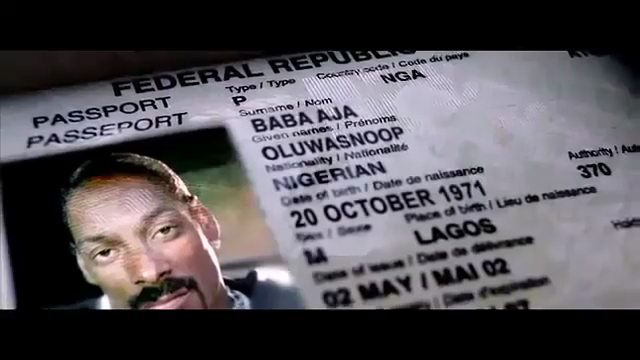



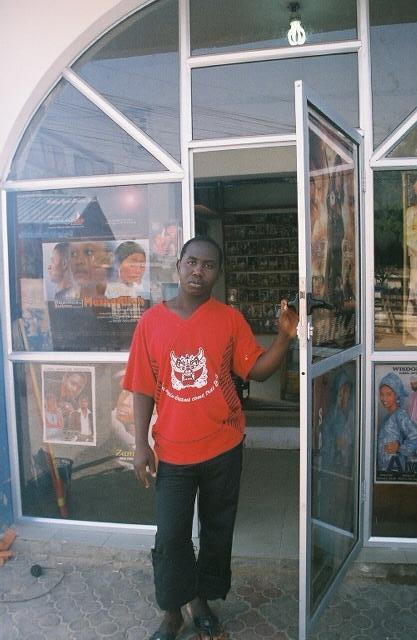
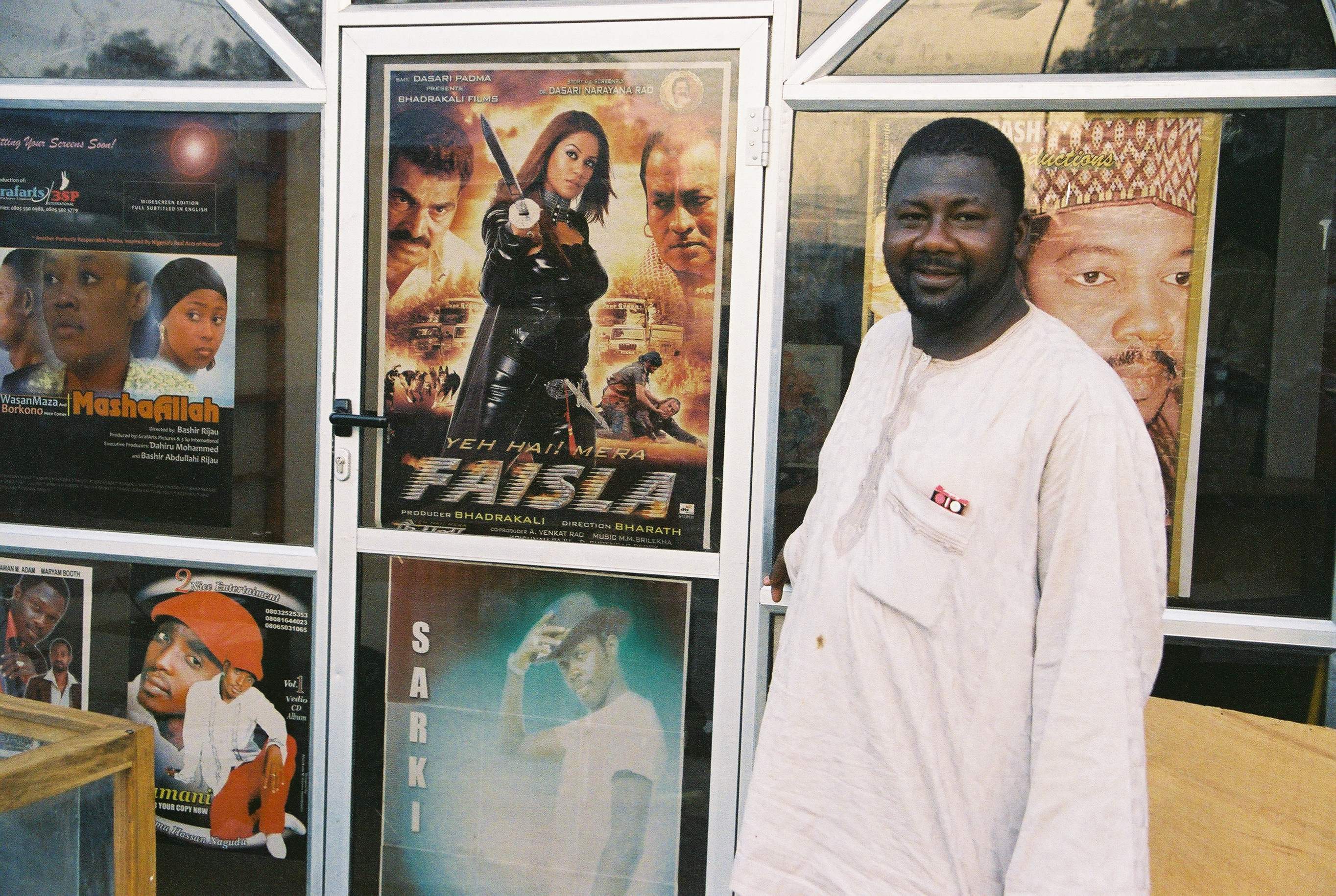
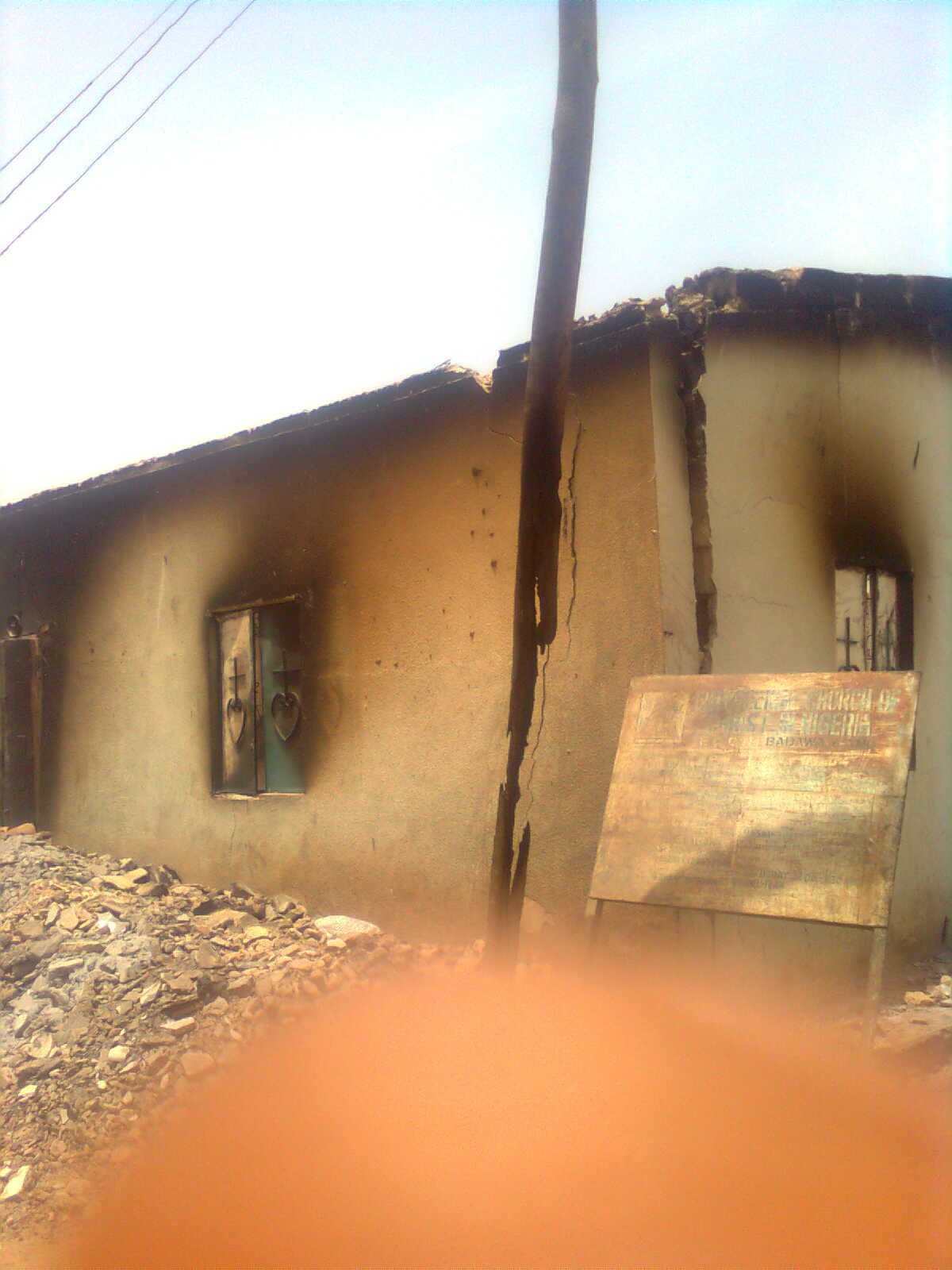

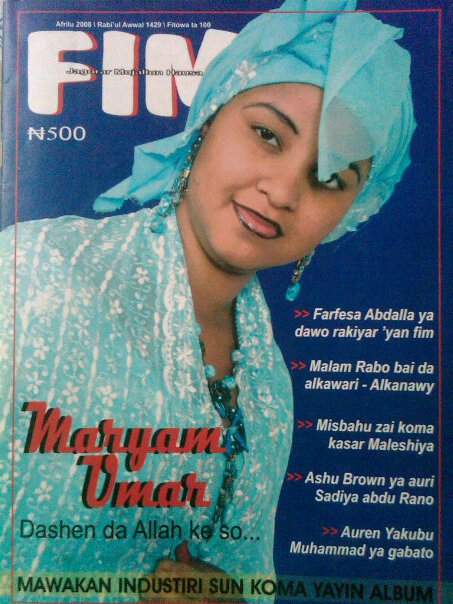


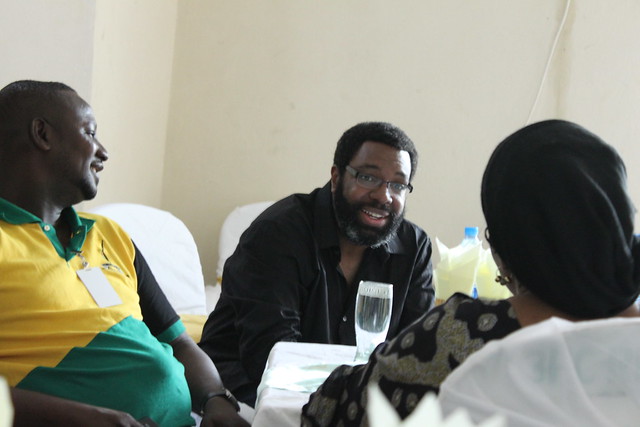


 A Tunanina...